Opens the museum's own website. Book on the official site; nothing is charged on this page.
Area
Central Copenhagen, by the Botanical Garden
Theme
Art museums
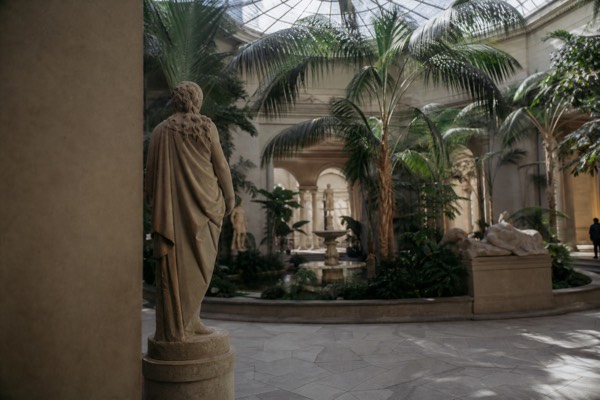
A broad hall of daylight runs through the middle of SMK, roofed in glass, with sculpture set along it and a wall of tall windows looking into the Ostre Anlaeg park. This is Sculpture Street, the spine that links the old 1896 galleries to the light-filled modern wing added a century later. On either side of it sit the largest art collections in Denmark, from Golden Age landscapes to a room of Matisse that people cross the city to see.
What will you see at SMK?
SMK, the National Gallery of Denmark, holds the country's largest art collection across four main strands: European old masters, the Danish Golden Age, French modern art, and Danish and Nordic 20th-century work. The best-known rooms are the Golden Age landscapes, a strong group of Matisse, and the daylit Sculpture Street running through the centre.
The Danish Golden Age is the heart of the museum for many visitors. Here are the clear, calm paintings of the early 1800s: Eckersberg's precise harbours and portraits, Christen Kobke's quiet views of the city's ramparts, and the wider circle that turned everyday Danish light into a whole school of painting. A few rooms on, Vilhelm Hammershoi's grey, near-empty interiors bring that quiet feeling into the turn of the century.
The European galleries reach much further back. You can stand in front of Mantegna's small, intense Christ as the Suffering Redeemer, works by Rubens and Rembrandt, Cranach and the northern schools, gathered over centuries from the royal collections that seeded the museum. The French rooms then jump forward: SMK's group of Matisse is one of the finest outside France, hung alongside other early modern names, and it is often the single collection people remember most.
SMK grew out of the Danish kings' own art collections, and that royal origin still shows in the depth of the older galleries. A children's art gallery, regular family workshops and a busy schedule of temporary exhibitions keep it from being only a place of old paintings, and the shows often bring in loans that hang alongside the permanent rooms. Check what is on before you go, since a major exhibition can be the highlight of a visit and does not usually cost extra on top of general admission.
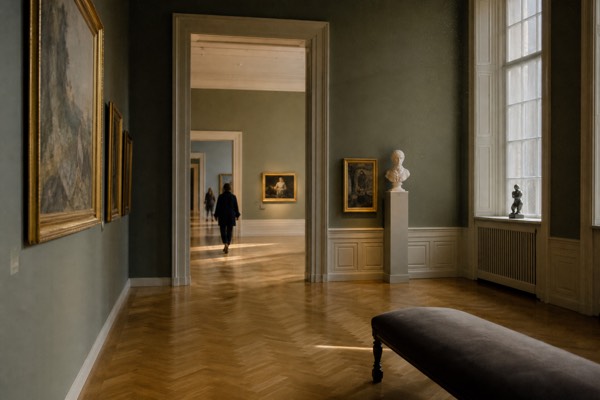
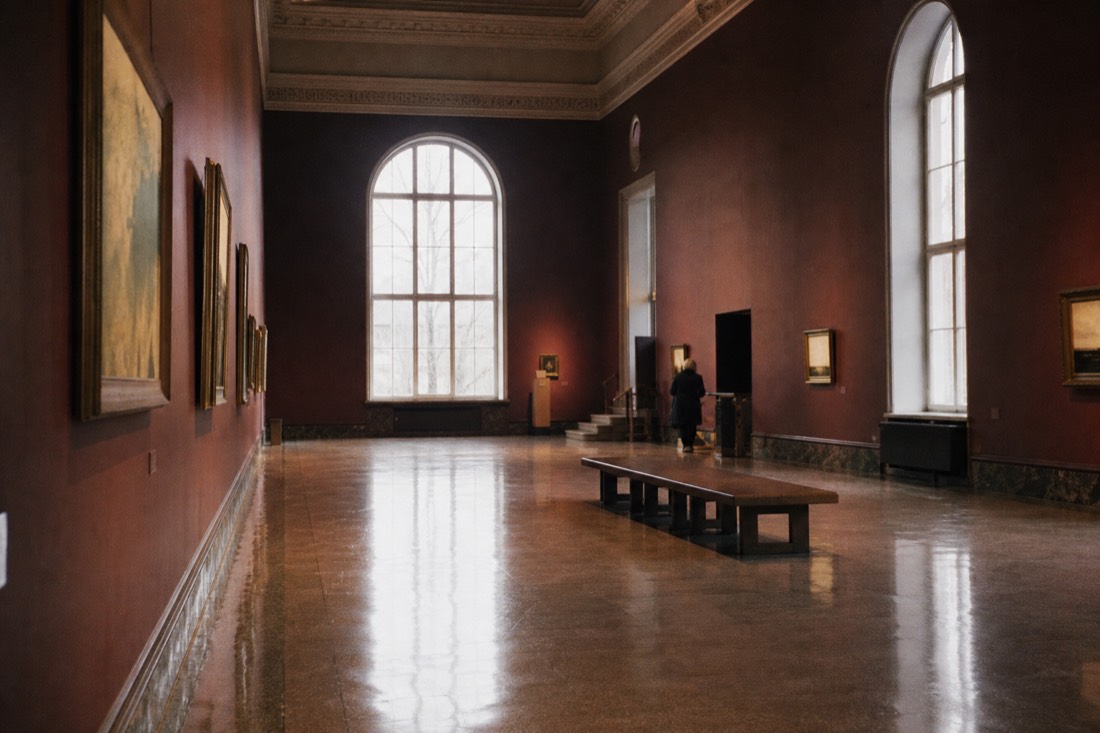
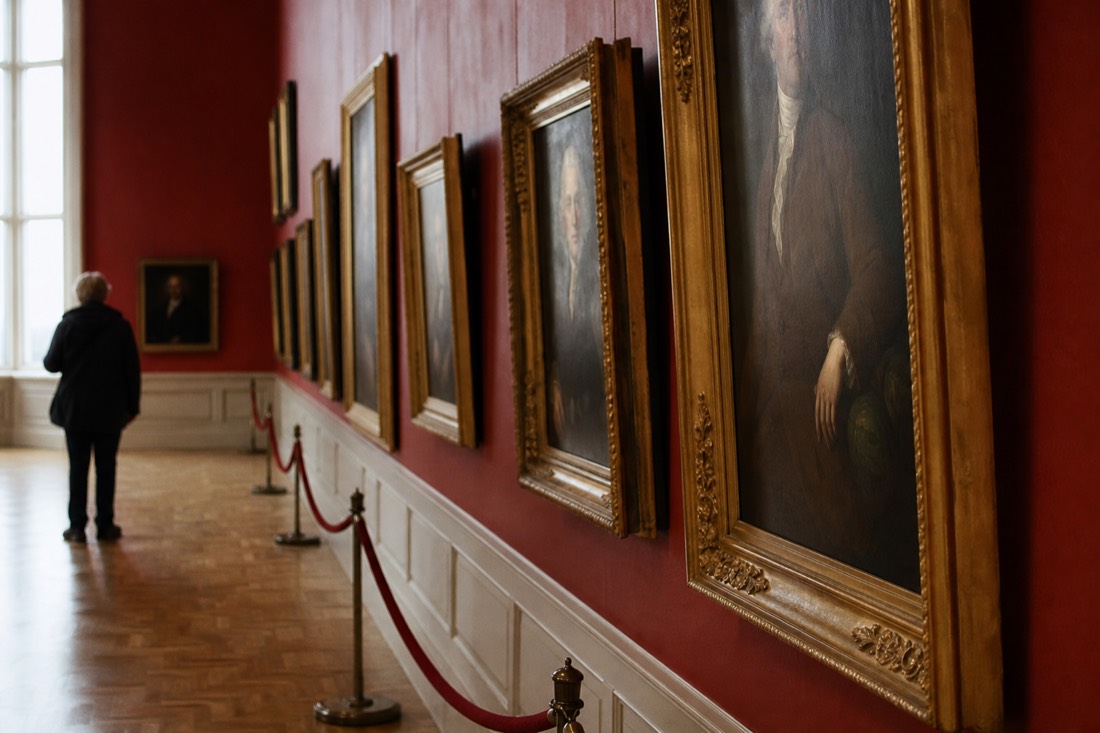
The building itself frames all of this. The original 1896 galleries have the high ceilings and grand staircases of a classic national museum, while the modern wing that opened in 1998 is airy and pale, and Sculpture Street stitches the two together under glass. Families use the wide central hall to let children move between rooms, and the park-facing windows keep the daylight in even on a grey afternoon.
How much does SMK cost, and how do tickets work?
SMK now charges for general admission. A standard adult ticket is 140 DKK, visitors under 27 pay 95 DKK, and anyone under 18 goes free. One ticket covers the permanent collection and the temporary exhibitions. You can buy on the official SMK site or at the door, and the Copenhagen Card includes entry at no extra cost.
This is worth being clear about, because SMK was free to enter for years and many older guides still say so. General admission is now paid, though the under-18 rule and the reduced under-27 price keep it affordable for younger visitors and families. The museum also runs SMK Fridays, occasional late Friday evenings with a free, sociable programme of talks, music and open galleries; those events are free to attend.
Because SMK is a public national gallery rather than a bookable attraction, the simplest route is the museum's own ticket page, where you can pick a date and see any special-exhibition details. If you are already carrying a Copenhagen Card for a few days of sightseeing, entry here is covered along with the transport to reach it. The prices below are the current 2026 figures; confirm the live details and opening times on the official SMK site before you visit.
There is no need to print anything, since a mobile ticket works at the entrance, and the museum's own app carries free highlight routes if you would like a guided path through the collection. Larger special exhibitions can occasionally carry a separate charge, which the ticket page flags clearly, but the permanent galleries and most temporary shows sit under the one general admission, so a single ticket usually covers the whole visit.
Ticket
Price (2026)
Notes
Adult
140 DKK
Permanent collection and temporary shows
Under 27
95 DKK
Reduced admission
Under 18
Free
No ticket purchase needed
Copenhagen Card holder
Included
Free entry, plus regional transport
How long do you need at SMK?
Most visitors spend two to three hours at SMK. Two hours cover the Danish Golden Age, the French rooms and the highlights of the old masters; three or more suit anyone working slowly through the European galleries and a temporary show. It is the biggest art museum in the country, so it rewards more time than a compact castle would.
A sensible plan is to pick two strands rather than trying to see everything. Many first-time visitors pair the Danish Golden Age with the French modern rooms, which gives a clear sense of both the national story and the international reach in a single unhurried visit. Sculpture Street makes a good resting point between the old and new wings, and the cafe there keeps the museum from feeling like a forced march.
If you have children, the wide central hall and the family-friendly workshops make SMK an easier big-museum day than most. Serious art lovers, on the other hand, can happily lose half a day here, so it helps to know before you arrive whether this is a highlights visit or a deep one.
The setting adds to the day. SMK backs onto Ostre Anlaeg, a rambling park with ponds and playgrounds, so a visit pairs naturally with a walk outside, and the museum cafe overlooks the greenery. The Botanical Garden with its Victorian palm house sits just across the street and is free to enter, which turns a paid morning at SMK into a longer, cheaper afternoon in the neighbourhood.
Know before you go: hours, closed days and getting there
SMK stands at Solvgade 48 to 50, on the edge of the Botanical Garden and the Ostre Anlaeg park in central Copenhagen. It opens Tuesday to Sunday from 10:00 to 18:00, stays open until 20:00 on Wednesdays, and closes on Mondays. Under-18s enter free, and the Copenhagen Card covers both entry and transport.
The nearest stations are Norreport and Osterport, each about a ten-minute walk, and both are served by the Metro, the S-train and regional lines, so almost any hotel connects in minutes. Several buses stop close by on Solvgade and Oster Voldgade. If you are already walking around Rosenborg and the King's Garden, SMK is just across the park, and the historic Nyboder terraces are a short stroll north for anyone who wants to keep exploring on foot afterwards.
A couple of practical notes. The Monday closure is the one to remember, and Wednesday's late evening is the quietest time to visit. The museum is largely step-free with lifts between floors, and there is a cloakroom for coats and large bags. Hours can change around public holidays, so check the official site if your date is unusual. The at-a-glance table below sums up the essentials.
At a glance
Detail
Address
Solvgade 48 to 50, by the Botanical Garden, central Copenhagen
Nearest station
Norreport and Osterport, about a 10-minute walk
Opening hours
Tue to Sun 10:00 to 18:00; Wed to 20:00
Closed day
Mondays
Under 18
Free entry
Copenhagen Card
Entry and transport included
What can you pair with SMK nearby?
SMK sits in a rich cluster near the King's Garden, so it pairs easily with several other museums. The closest is The David Collection, a free Islamic and European art museum a few minutes away, while Rosenborg Castle and the National Museum of Denmark round out a full art-and-history day.
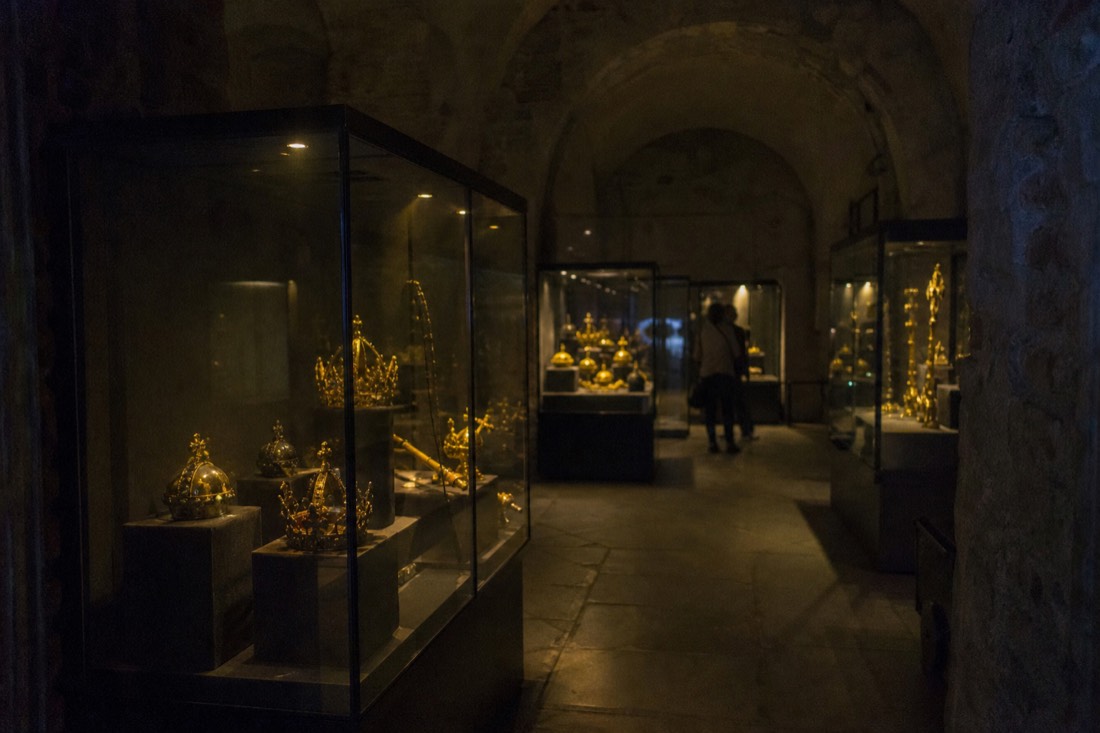
A short walk across toward Kronprinsessegade brings you to The David Collection, which is free to enter and one of the quietest fine-art rooms in the city, an easy no-cost pairing with a paid morning at SMK. For a change to royal history, Rosenborg Castle and its crown jewels stand on the far side of the King's Garden, a ten-minute stroll through the park.
If you would rather balance art with the wider national story, the National Museum of Denmark runs from the Vikings to the present a short ride away, and the Ny Carlsberg Glyptotek adds ancient sculpture and a French collection near the main station. Rosenborg, the National Museum and the Glyptotek are all covered by the Copenhagen Card, which you can check on the Copenhagen Card site. There is more on the gallery's history on Wikipedia.
Questions people ask
Is SMK free to visit in 2026?
No. SMK now charges for general admission, despite older guides that call it free. A standard adult ticket is 140 DKK, under-27s pay 95 DKK, and under-18s enter free. Occasional SMK Fridays evening events are free to attend.
How much does an SMK ticket cost?
A standard adult ticket is 140 DKK and covers the permanent collection and the temporary exhibitions. Visitors under 27 pay 95 DKK, and anyone under 18 goes free. Copenhagen Card holders enter at no extra cost.
Is SMK open on Mondays?
No. SMK is closed on Mondays. It opens Tuesday to Sunday from 10:00 to 18:00, with a late evening until 20:00 on Wednesdays. Check the official site for changes around public holidays.
Is SMK included in the Copenhagen Card?
Yes. Entry to SMK is included in the Copenhagen Card, along with unlimited public transport across the region, so the Metro and S-train that reach Norreport and Osterport are covered too.
What is SMK best known for?
SMK holds Denmark's largest art collection, best known for the Danish Golden Age painters such as Eckersberg and Kobke, a fine group of French modern art including Matisse, European old masters, and the daylit Sculpture Street running through the middle of the building.
How long should I spend at SMK?
Plan two to three hours. Two hours cover the Danish Golden Age, the French rooms and the old-master highlights; three or more suit anyone working slowly through the European galleries and a temporary exhibition. It is the largest art museum in Denmark.
How do I get to SMK?
SMK is at Solvgade 48 to 50, on the edge of the Botanical Garden. The nearest stations are Norreport and Osterport, each about a ten-minute walk and served by the Metro, S-train and regional lines. Several buses stop nearby.
Refshaleoen (former shipyard, east harbour) · Warehouse-scale installation art
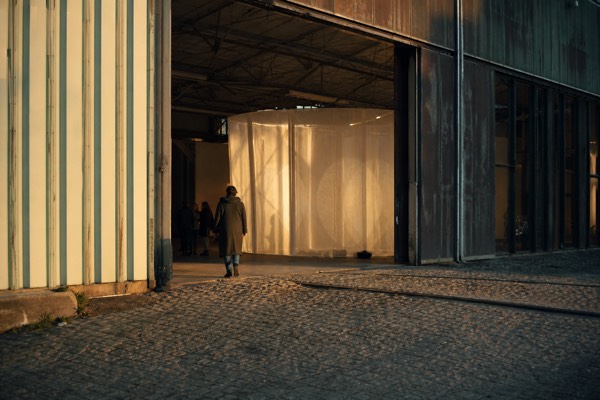
A non-profit art center in a former welding hall on Refshaleoen, built for the kind of huge, walk-into installation and light works that ordinary galleries cannot hold. Pairs well with a street-food stop at nearby Reffen.
Humlebaek (day trip, ~35 min by train) · Modern art, sculpture park and the sea
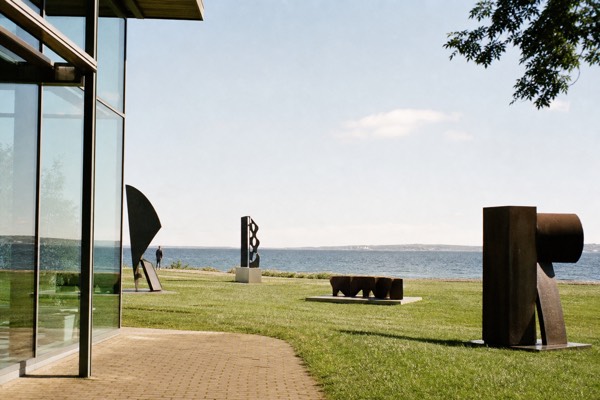
The reason many people take a train out of Copenhagen: a modern-art museum on the Oresund coast at Humlebaek where the galleries open onto a sculpture park and views across to Sweden. Calder, Giacometti and rotating shows, all a short walk from the station.
Central Copenhagen, behind Tivoli · Antiquities under a palm-filled winter garden
The brewer Carl Jacobsen's collection behind Tivoli: ancient Egyptian, Greek and Roman sculpture, a strong run of French and Danish art including Rodin and Degas, all around a domed winter garden of palms. One of the loveliest interiors in the city.