Opens the museum's own website. Book on the official site; nothing is charged on this page.
Area
Central Copenhagen, Bredgade
Theme
Quirky & unusual
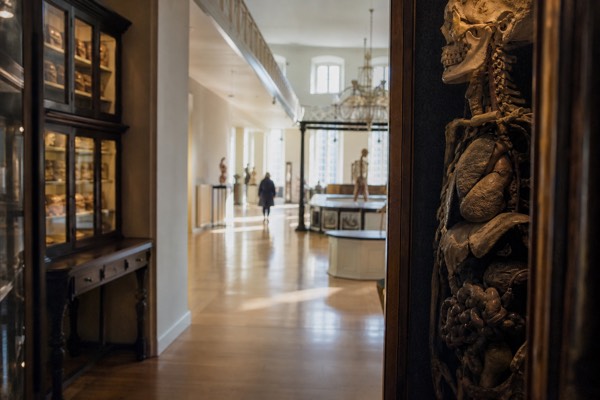
The old operating theatre is the room that stays with you. Steep tiers of wooden benches curve around a small central floor where, in the 1780s, students of the Royal Academy of Surgeons watched dissections and operations by daylight from the roof lantern above. Medical Museion keeps this space, and the collections around it, in a former surgical academy on Bredgade: shelves of anatomical specimens, worn instruments, and the long, uneasy history of what medicine has done to and for the human body.
What will you see at Medical Museion?
Medical Museion is the medical history collection of the University of Copenhagen, housed in the 18th-century Royal Academy of Surgeons on Bredgade. You see preserved anatomical and pathological specimens, historical surgical and diagnostic instruments, obstetric and dental history, and the original operating theatre where surgeons once taught. It is a specialist, sometimes unsettling museum about the body and how we have studied it.
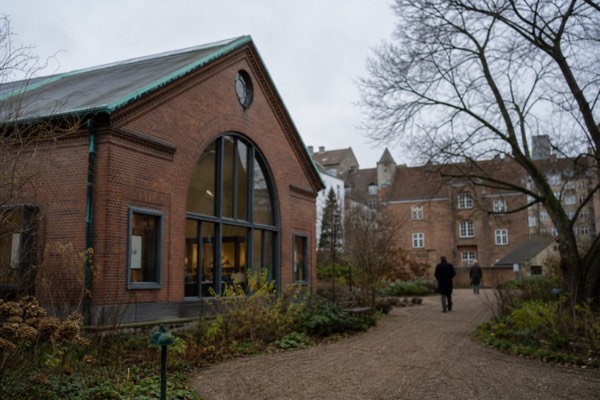
The building is part of the exhibit. Completed in 1787 as a teaching academy for surgeons, it still holds the anatomical theatre with its tiered benches and overhead light, one of the few of its kind left in Northern Europe. Standing on that central floor gives you a direct sense of how surgery was learned before anaesthetics and antisepsis, when a fast, watched operation was the whole lesson.
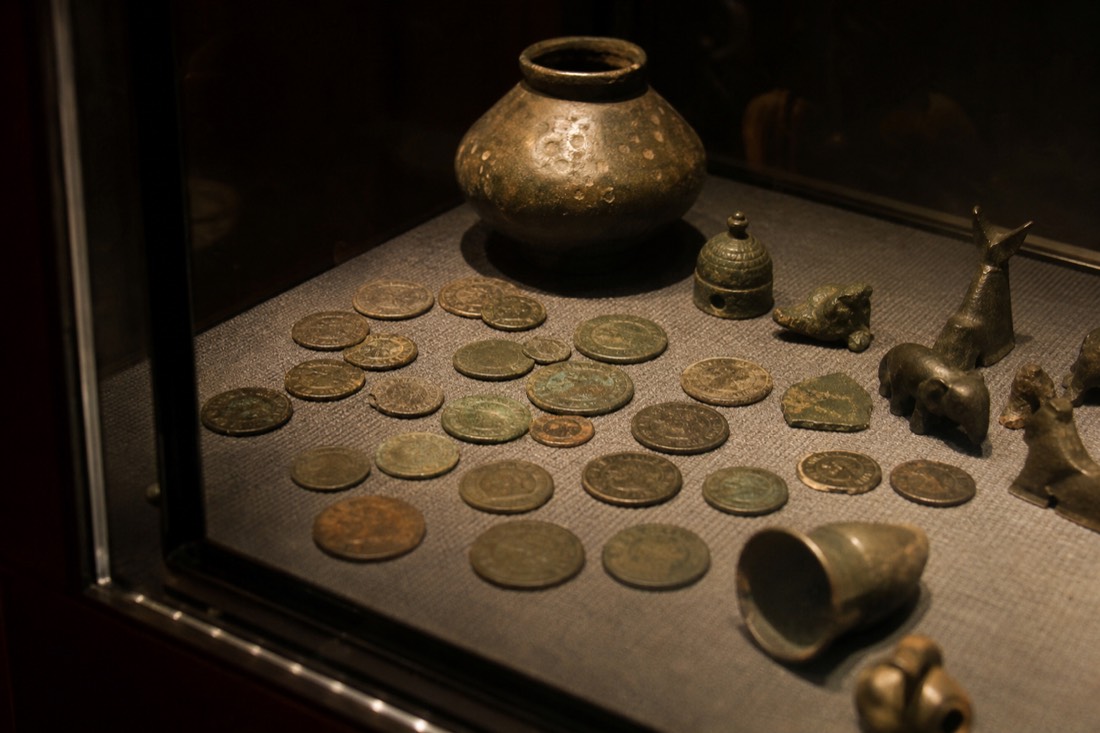
The collections range wider than the theatre. Cases hold wet specimens preserved in fluid, skeletal material, early prosthetics, and instruments that trace the shift from craft to science: bleeding tools, birthing forceps, trepanning drills, early stethoscopes and microscopes. Alongside the historical material, the museum runs contemporary exhibitions that connect the old collection to present-day questions about medicine, biology and the body, so a visit is not only a look backward.
Be ready for the confronting parts. Some specimens are human remains and some displays deal frankly with disease, deformity and death, which is exactly why the place is memorable rather than dry. It is small and dense, closer to a cabinet of study than a blockbuster museum, and it rewards visitors who are curious about the real history of medicine rather than looking for a light hour out.
The academy itself explains much of what you see. When it opened in 1787, surgery was only just separating from barbering and becoming a respected science, and the building was designed to teach that new profession: dissection in the theatre, specimens for study, instruments to master. Walking the rooms, you move through the actual setting where Danish surgical training was professionalised, which gives the objects a weight they would lose in a modern display case.
How do tickets and opening hours work?
Medical Museion is a university museum with limited opening, so it is open on only a few days each week rather than daily, and guided tours are a regular part of how people see the collection. Admission is charged, with details and the current schedule on the official site, museion.ku.dk. Because the days and any tour times change, check before you travel; there is no need for the hard-sell urgency of a big attraction here.
Plan around the calendar rather than turning up on spec. Unlike the major museums that open every day, Medical Museion runs a narrower programme, and some of its rooms and the operating theatre are best seen on a guided tour, which may run at set times or need booking. The official site lists the open days, any tour slots and the current admission price, and that is the reliable source to plan from.
This is an official listing with no queue-skip ticket to buy elsewhere. Buy admission through the museum's own site or at the door on an open day, and if a guided tour interests you, check its timing in advance. For current prices, opening days and tour details, go straight to museion.ku.dk.
Guided tours are worth the extra planning if your schedule allows. Because much of the collection is sensitive and some of it fragile, the tours are how the museum opens up its more striking material and the operating theatre, and a knowledgeable guide turns a case of instruments into a story about pain, risk and progress. If you can only visit on a tour day, treat that as the better version of the experience rather than a compromise.
Entry
Detail
Notes
Admission
Charged; see official site
Current price on museion.ku.dk
Opening days
Limited; a few days a week
Not open daily; check the schedule
Guided tours
Regularly offered
May run at set times or need booking
How long do you need, and what is a visit like?
Plan about an hour to 90 minutes at Medical Museion, or the length of a guided tour if you take one. It is a small museum, but a dense one, and the specimens reward slow looking. The mood is quiet and serious, and some displays are genuinely confronting, so it suits curious adults and older teenagers more than young children.
A self-guided visit through the rooms takes about an hour if you read the labels. A guided tour, where offered, runs a set length and adds context you would miss alone, especially in the operating theatre and among the anatomical specimens, where the story behind an object is often more striking than the object itself.
Think about who you are bringing. The frank treatment of disease, dissection and death is the whole character of the place, and while it is fascinating, it is not a gentle family outing. Visitors who come for the real history of surgery, anatomy and public health tend to leave impressed; anyone expecting a bright, hands-on museum may find it heavy.
A tip on mindset: come with a question in mind. Visitors who arrive curious about a specific thread, the history of surgery, of childbirth, of epidemics, of prosthetics, tend to find the small collection unusually rich, because almost every case speaks to those themes. Treat it as a study visit rather than a checklist stop and the hour repays you.
Know before you go: location, hours and access
Medical Museion is at Bredgade 62 in the Frederiksstaden district of central Copenhagen, close to the Marble Church and Amalienborg. The nearest Metro is Marmorkirken, a couple of minutes away, with Kongens Nytorv a short walk south. Opening is limited to a few days a week, so check the official schedule before you go; the museum keeps a narrower calendar than the big daily attractions.
The location is easy despite the limited hours. Bredgade is a broad, handsome street lined with mansions and museums, and the Marmorkirken Metro station on the City Ring puts you almost at the door. Kongens Nytorv, also on the Metro, is a five-minute walk away, and several buses run along the nearby streets. This is a walkable part of the old city, so many visitors arrive on foot from Nyhavn or Amalienborg.
A few practical notes. As a historic academy building, step-free access may be limited, so check the official site if that matters for your group. Photography rules and any restrictions on the more sensitive specimens are set by the museum. Because the hours are limited, it pays to build the day around the museum rather than hoping to slot it in: set your open day first, then arrange the rest of Bredgade around it, since the design museum and Amalienborg nearby keep much longer daily hours and are easy to fit whenever you are in the district. The at-a-glance table sums up the essentials, and the live opening days sit on museion.ku.dk.
At a glance
Detail
Address
Bredgade 62, central Copenhagen
Nearest station
Marmorkirken (Metro); Kongens Nytorv a short walk
Opening hours
Limited; a few days a week, see official site
Guided tours
Regularly offered; check times
Admission
Charged; current price on museion.ku.dk
Best for
Curious adults and older teenagers
What can you pair with Medical Museion nearby?
Medical Museion sits on Bredgade among some of the city's best museums, so pairings are easy and close. A few doors up the same street is Designmuseum Danmark, the national design museum; around the corner is Amalienborg, the royal family's winter home with its noon guard change; and the National Museum in the centre rounds out a fuller history day. The two royal and design stops are on the Copenhagen Card.
The natural next stop is right on the same street. Walk up Bredgade to Designmuseum Danmark, where the famous chair corridor and the story of Danish Modern design make a bright, uplifting contrast to the medical collection. From there, or instead, turn toward the harbour for Amalienborg, the four rococo palaces around an octagonal square, where the guard changes at noon and the museum wing opens the royal apartments.
If you want to place the history of medicine inside the country's wider story, the National Museum of Denmark in the centre runs from the Vikings to the present. A Copenhagen Card covers the design museum, Amalienborg and the National Museum together with the Metro between them; you can check what the pass includes on the Copenhagen Card site. There is background on the historic surgical academy that houses the collection on Wikipedia.
Questions people ask
What is Medical Museion?
Medical Museion is the University of Copenhagen's medical history museum, in the 18th-century Royal Academy of Surgeons on Bredgade. It holds anatomical specimens, historical surgical instruments and an original operating theatre, alongside contemporary exhibitions about the body and medicine.
Is Medical Museion open every day?
No. It keeps limited opening hours, open on only a few days each week rather than daily, and guided tours are a regular part of visiting. Because the days and tour times change, check the current schedule on museion.ku.dk before you travel.
How much does Medical Museion cost?
Admission is charged, with the current price shown on the official site, museion.ku.dk. Rather than quote a figure that may have changed, we point you to the museum's own page, which also lists the open days and any guided-tour times.
Is Medical Museion suitable for children?
It suits curious adults and older teenagers more than young children. Some displays are human remains and deal frankly with disease, dissection and death, which is the character of the museum. It is fascinating, but not a gentle family outing.
How long does a visit take?
Plan about an hour to 90 minutes, or the length of a guided tour if you take one. It is a small but dense museum, and the specimens and the operating theatre reward slow, attentive looking rather than a quick walk-through.
How do I get to Medical Museion?
It is at Bredgade 62 in central Copenhagen, a couple of minutes from Marmorkirken station on the Metro, with Kongens Nytorv a short walk south. Bredgade is an easy walk from Nyhavn and Amalienborg, so many visitors arrive on foot.
Can I see the operating theatre?
Yes, the original 18th-century anatomical theatre is one of the highlights, and it is often best seen on a guided tour. Check the official site for open days and tour times, since access to some rooms is arranged around the tour programme.
Central Copenhagen, Radhuspladsen · Oddities on the town-hall square
A curiosities museum on Radhuspladsen, sitting in a cluster with the H.C. Andersen Fairy-Tale House and Guinness World Records. A single admission covers Ripley's, and a four-way combo bundles all the neighbours.
Frederiksberg, under Sondermarken park · Art in a dripping underground reservoir
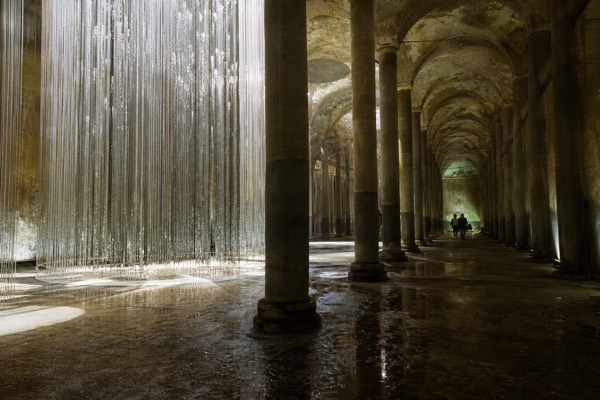
A former underground water reservoir beneath Sondermarken park, now a dank, dripping, cathedral-like space that hosts one large immersive art installation a year. Unlike anything else on this list, and best in warm months.
Frederiksberg, by the Frederiksberg Runddel · Denmark's museum of humour and satire
Built around the cartoonist Robert Storm Petersen and rebranded STORM, this small Frederiksberg museum is Denmark's home for humour and satire, mixing his drawings with rotating shows on comedy and caricature.