Opens the museum's own website. Book on the official site; nothing is charged on this page.
Area
Rungsted (day trip, ~30 min by train)
Theme
History & culture
The writing desk still faces the garden, the African drawings still hang on the walls, and outside the window the grounds run down toward the sound as a bird sanctuary. This is Rungstedlund, the coastal home where Karen Blixen was born, wrote Out of Africa, and lies buried under a great beech. The house is kept close to how she left it, and reaching it is an easy half-day trip north of Copenhagen.
What will you see at the Karen Blixen Museum?
You see the writer's own home kept much as she left it: her study and writing desk, the flower room, and the drawings and objects she brought back from Kenya. The grounds are a bird sanctuary with paths down toward the sound, and her grave lies under a beech at the foot of Ewalds Hoj. A small exhibition covers her life and books.
Karen Blixen, who published in English as Isak Dinesen, is best known for Out of Africa and Babette's Feast. She was born at Rungstedlund in 1885, spent seventeen years running a coffee farm in Kenya, and came back to this house to write after the farm failed. The rooms carry that double life: a Danish country home hung with African memories.
The heart of the visit is her working space. The desk where she wrote sits by the window, and the surrounding rooms hold her furniture, books and the sketches and photographs from her years abroad. Because the house is preserved rather than reconstructed, it feels personal, closer to visiting someone's home than touring a museum, and that is exactly its appeal.
The atmosphere is unusually intact. Because the Blixen family kept the house and the Rungstedlund Foundation preserved it, the rooms were never stripped out for a modern display, so furniture, pictures and small personal things stay where they belong. You read the woman through her surroundings rather than through wall text, which is why even visitors who have not opened her books tend to leave moved.
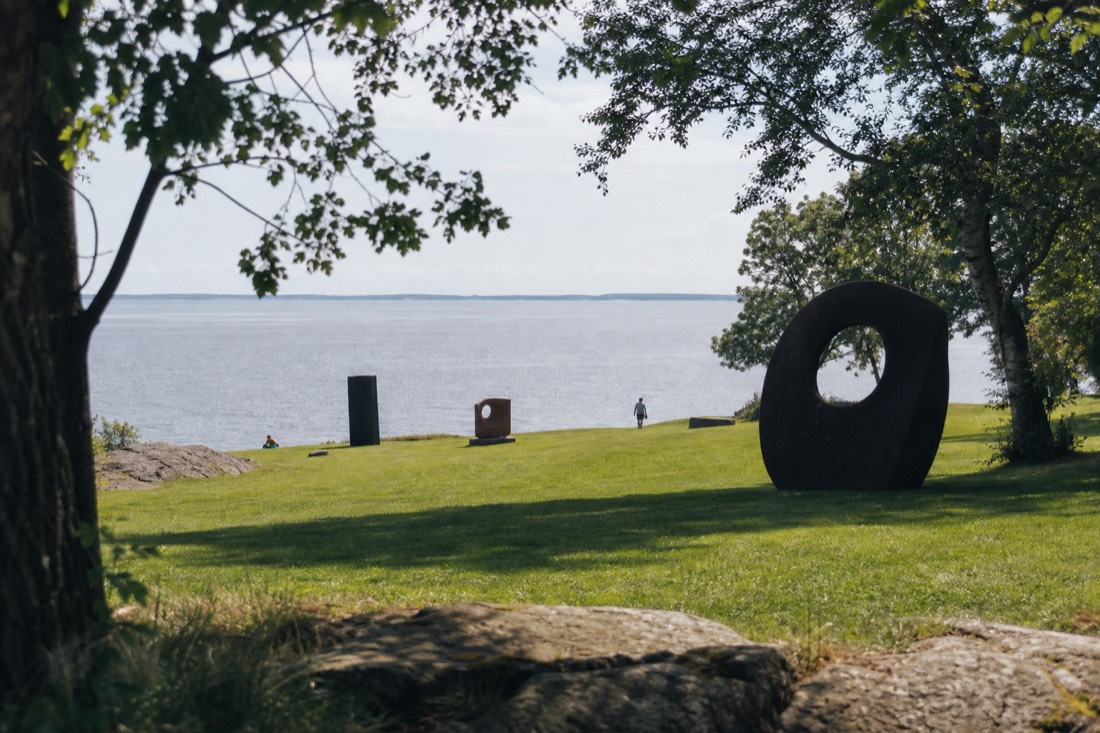
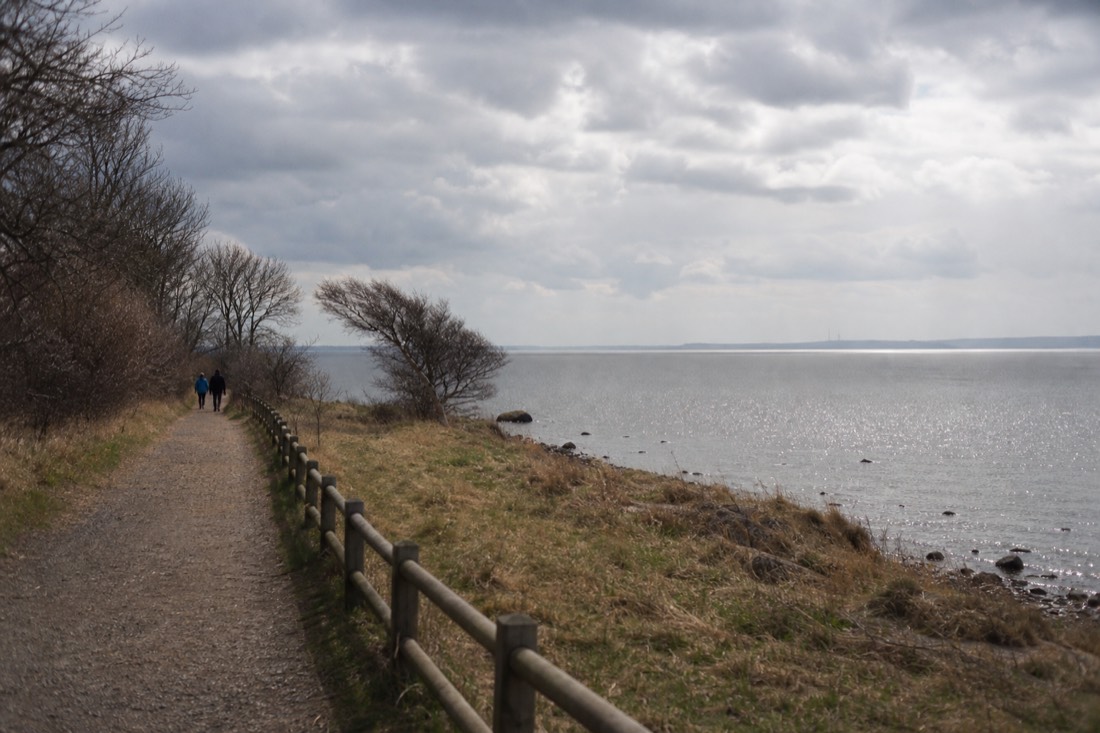
Outside, the grounds are the other half of the experience. Blixen helped turn the estate into a protected bird sanctuary, and the paths wind through woodland and meadow toward the water. Her grave lies quietly under a large beech tree on the slope known as Ewalds Hoj, a short walk from the house. On a fine day, the garden and the shoreline are reason enough to come.
How do Karen Blixen Museum tickets work?
The museum sells its own tickets, on the door and through its website. Current adult prices and seasonal opening times are set by the museum and published on its official site, so check blixen.dk for the exact figures before you travel rather than relying on older listings. There is one ticket for the house and grounds together.
This is an independent house museum, not a high-volume attraction, so there is no need to book a timed slot far ahead. The single ticket gives you the preserved rooms, the exhibition on Blixen's life, and the run of the garden and bird sanctuary. Because the house is small, entry may be managed gently on the busiest summer days, but queues are not the norm.
Prices and hours here move with the season, and this guide will not quote a figure it cannot stand behind. The reliable source is the museum itself, which lists current admission, opening days and any concessions on its own tickets page. Confirm both the price and the day's opening before you set out, since a house museum like this can keep shorter or seasonal hours.
Tickets
Detail
What is covered
The house, exhibition and grounds on one ticket
Adult price
See blixen.dk (set by the museum)
Opening hours
Seasonal, see blixen.dk
Where to buy
Door or shop.blixen.dk
Booking
No timed slot needed
Who was Karen Blixen?
Karen Blixen (1885 to 1962) was a Danish author who wrote in both Danish and English under the name Isak Dinesen. Her best-known books are the memoir Out of Africa and the story Babette's Feast, both later filmed. She spent seventeen years in colonial Kenya, then returned to Rungstedlund to write, and she is buried in its grounds.
Her life gives the house its charge. She moved to British East Africa in 1914, ran a coffee farm below the Ngong Hills, and lived through the loss of the farm and of the great love recorded in Out of Africa. When she came home in 1931 she turned seriously to writing, and her first major book, Seven Gothic Tales, made her name internationally.
Blixen was twice a serious contender for the Nobel Prize in Literature and is one of Denmark's most widely read authors abroad. Rungstedlund was her anchor: birthplace, writing room and final resting place. Seeing the actual desk and the African drawings after reading the books, or the other way round, deepens both. There is a fuller biography on Wikipedia if you want the background before you go.
Her writing itself explains the pull of the place. Blixen worked in a deliberately old-fashioned, story-telling voice, full of fate and reversal, and she set much of it against either this Danish coast or the Kenyan highlands she had lost. Standing in the house where those tales took shape, with the African drawings still on the wall, joins the two worlds her books keep circling back to.
Is the Karen Blixen Museum worth the day trip?
For readers of Blixen, and for anyone who likes literary houses, yes. It is a quiet, atmospheric half-day: a preserved writer's home, a genuine bird sanctuary running down to the sound, and a coastal train ride north of the city. It is a gentler, more personal trip than the big castles, and it pairs neatly with a coastal-line visit further up.
Set your expectations for mood rather than spectacle. This is not a grand collection, it is one remarkable person's home and garden, and the reward is intimacy and a strong sense of place. Give the grounds their due, since the walk to the grave under the beech and the views over the water are as much the point as the rooms indoors.
The location makes it easy to combine. Rungsted sits on the same coastal railway that runs up to Humlebaek, so plenty of visitors pair the writer's house with the modern-art museum further north for a single day out along the sound. The two make a satisfying contrast, quiet literature and bold modern art, both a short walk from their stations.
Coastal-line day trip
Detail
From central Copenhagen
Coastal line toward Helsingor
To Rungsted Kyst
Around 30 minutes, then a short walk
Continue north
Same line on to Humlebaek for modern art
Best in
Fine weather, to enjoy the garden and shore
Know before you go: getting there and planning the day
The museum is at Rungsted Strandvej 111 in Rungsted, on the coast north of Copenhagen. Take the coastal railway toward Helsingor from Copenhagen Central, Norreport or Osterport to Rungsted Kyst, about 30 minutes, then a walk of roughly ten to fifteen minutes. Opening days are seasonal, so confirm the day's hours on blixen.dk before you leave.
The coastal line, the Kystbanen, is the easy way out here, running along the sound with glimpses of the water. Rungsted Kyst is a small station, and the walk to the house is signposted and flat, passing through a pleasant stretch of the shore town. Driving is possible too, with parking near the museum, but the train is the simplest option from the city.
Time your visit for good weather if you can, since the garden and the bird sanctuary are half the reason to come, and the house keeps seasonal hours that can be shorter out of summer. The at-a-glance table covers the essentials, and the museum's live opening days and admission sit on the official Rungstedlund site.
At a glance
Detail
Address
Rungsted Strandvej 111, Rungsted Kyst
Nearest station
Rungsted Kyst (coastal line), 10-15 min walk
Journey
Around 30 minutes from central Copenhagen
Opening hours
Seasonal, see blixen.dk
Tickets
See blixen.dk
What can you pair with the Karen Blixen Museum?
The coastal railway makes the pairings obvious. Stay on the same line north and you reach Louisiana's modern art at Humlebaek, then Kronborg, Hamlet's castle, at the end of the line in Helsingor. Any one of them turns Rungstedlund from a single short stop into a full day along the sound.
The strongest match is the Louisiana Museum of Modern Art, a couple of stops further up the coast at Humlebaek. You move from a quiet writer's home to galleries that open onto a sculpture park above the water, a contrast of intimate and expansive that makes for a memorable day. Both sit a short walk from their stations, so the logistics stay simple.
With more time, the same line ends at Helsingor, where Kronborg Castle, the Elsinore of Hamlet and a UNESCO World Heritage site, guards the narrowest point of the sound. Three literary and artistic stops on one railway, Blixen, Louisiana and Kronborg, is one of the best day-trip runs out of Copenhagen. A Copenhagen Card covers the coastal train and entry to both Louisiana and Kronborg, which you can check on the Copenhagen Card site.
Questions people ask
How much does the Karen Blixen Museum cost?
Adult admission is set by the museum and changes with the season, so check the current price on the official site, blixen.dk, before you visit. One ticket covers the preserved house, the exhibition on Blixen's life and the garden and bird sanctuary.
Where is the Karen Blixen Museum?
It is at Rungsted Strandvej 111 in Rungsted Kyst, on the coast north of Copenhagen. The house, called Rungstedlund, was Karen Blixen's family home, where she was born, wrote and is buried.
How do I get to the Karen Blixen Museum from Copenhagen?
Take the coastal railway toward Helsingor from Copenhagen Central, Norreport or Osterport to Rungsted Kyst, about 30 minutes, then walk roughly ten to fifteen minutes to the house. The route is flat and signposted.
What can you see at the Karen Blixen Museum?
You see the writer's preserved home, including her study and writing desk and the drawings she brought back from Kenya, an exhibition on her life and books, and the grounds, which are a bird sanctuary. Her grave lies under a beech tree in the garden.
Who was Karen Blixen?
Karen Blixen (1885 to 1962) was a Danish author who wrote as Isak Dinesen and is best known for the memoir Out of Africa and the story Babette's Feast. She spent seventeen years in Kenya before returning to write at Rungstedlund.
Can you combine the Karen Blixen Museum with Louisiana?
Yes. Rungsted sits on the same coastal railway that continues north to Humlebaek, so many visitors pair the writer's home with the modern-art museum further up the line for a single day trip along the sound.
How long should I spend at the Karen Blixen Museum?
Allow roughly one and a half to two hours on site, plus the train time from the city. The house itself is compact, but the garden, the shore views and the walk to the grave add time, especially in good weather.
Central Copenhagen, Slotsholmen · Five centuries of arms in the Royal Arsenal
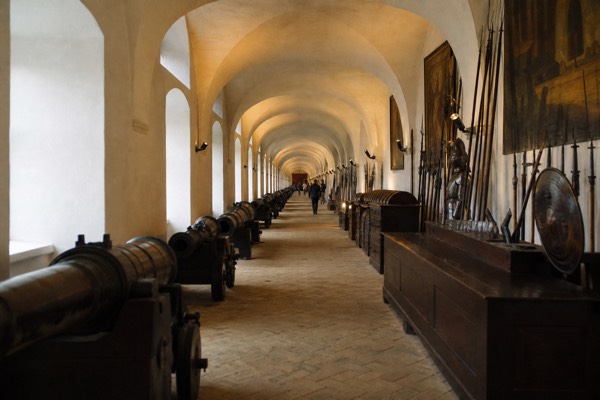
Housed in Christian IV's 1604 Royal Arsenal, with a 163-metre cannon hall on the ground floor and 500 years of Danish military history above. Quieter than the big-name palaces and consistently well reviewed.
Central Copenhagen, Frederiksholms Kanal · Denmark's story from the Vikings to now
Denmark's largest cultural-history museum runs from Stone Age tools and the Sun Chariot through a world-class Viking hall and into ethnographic and modern collections. Adult admission is now paid; under-18s go free.
Central Copenhagen, Romersgade · Everyday Danish life since the 1800s
The story of ordinary working Copenhageners, set in the original 1879 workers' assembly hall, with a preserved family apartment, a period coffee shop and strong social-history exhibitions. An easy, human counterpoint to the palaces.