The Best Museums in Copenhagen for Kids and Families
Which museums in Copenhagen actually work with children: the Experimentarium, the Blue Planet aquarium, the National Museum's Children's Museum, Tivoli and the open-air museum, with real 2026 family prices.
 By Anders Nielsen, Copenhagen Museums Specialist & Cultural Guide
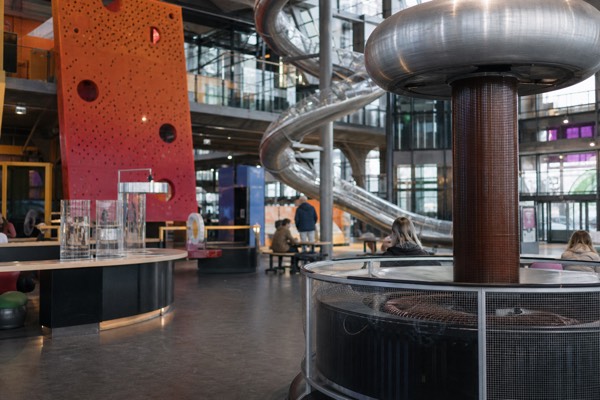
The loudest room I know in a Copenhagen museum is the tesla coil hall at the Experimentarium, where a machine throws lightning at a metal cage and a hundred kids shriek at once. My own godson refused to leave it. He was six, and he had already spent an hour running a giant marble down a wall of pipes and lying under a bed of harmless nails, and the lightning was simply the loudest way to end the day. That is the thing about museums with children. The great ones do not ask them to whisper.
I have taken a lot of families around this city, and the parents almost always arrive braced for boredom and bribery. It rarely comes to that, because Copenhagen happens to be very good at the hands-on, run-around, press-the-button kind of museum. This guide is the shortlist I actually give them: the venues where children stay busy, the honest 2026 prices with all the under-18 free deals, and the small planning choices that decide whether a family day ends in ice cream or in tears. Danish museums make this easy. You mostly have to know which door to open first.
Which Copenhagen museum is best for young kids?
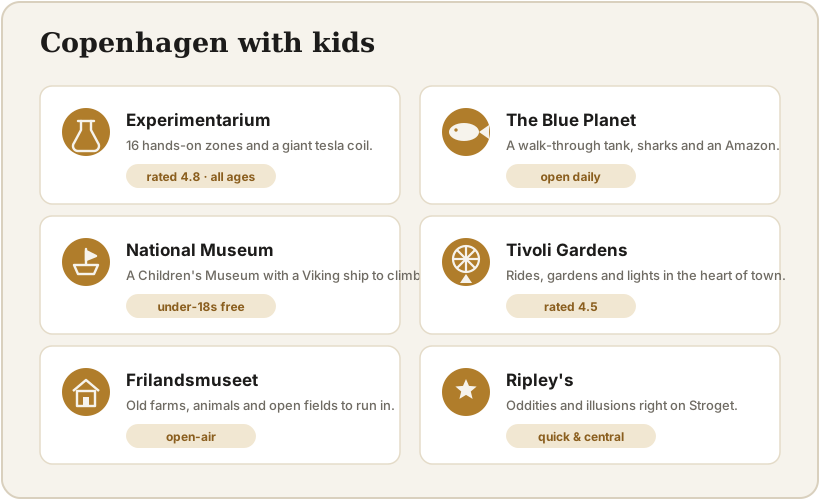
The Experimentarium in Hellerup is the strongest single pick for families with children roughly four to twelve. It is a large hands-on science center with sixteen interactive zones, a lightning-throwing tesla coil and a giant spiral slide called the Tube. Everything is built to be touched, which is exactly what younger visitors want and rarely get in a museum.
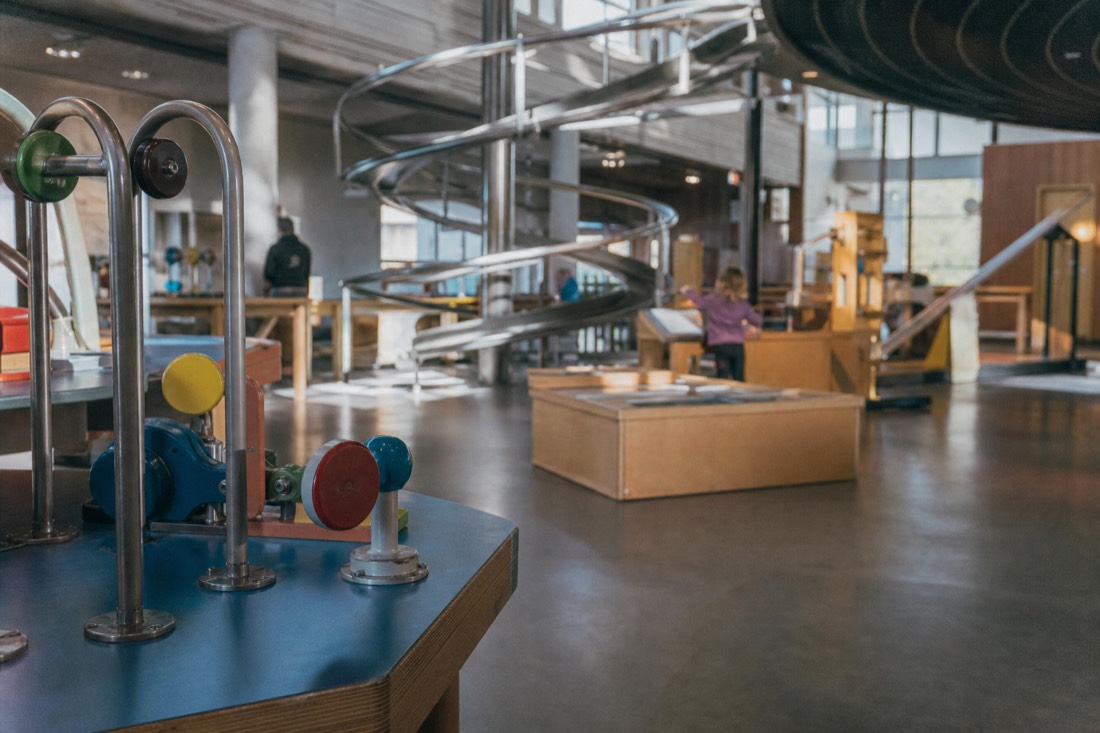
The Experimentarium earns its place because it removes the usual museum friction. There are no ropes, no glass cases holding children at arm's length, and no gallery hush. Kids build, launch, balance and spin their way through zones on the human body, on water, on sound and on bubbles, and the staff quietly restock and reset as they go. The famous Tube, a spiral staircase wrapped around a slide, doubles as the fastest way down between floors and the thing my youngest visitors talk about afterwards.
Admission in 2026 is 230 DKK online for anyone twelve and over, 143 DKK for children two to eleven, and free for under-twos. That pricing tells you who the place is for. Plan a solid three hours, more on a wet day, and eat before you arrive since the café gets busy at noon. It sits in Hellerup, about fifteen minutes north of the centre by train, and it opens daily from 9:30, Mondays included, which makes it a reliable answer when the classic art museums are shut. Current zones and any timed-entry notes are posted at experimentarium.dk.
If you want the day locked in on a busy weekend, book Experimentarium ahead and check the latest dates and prices so you are not queuing with restless kids.
Is the Blue Planet aquarium worth it with children?
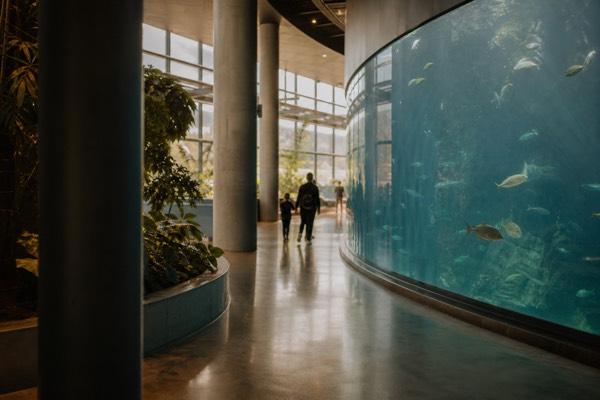
Yes, the Blue Planet is one of the best family half-days in the region and a genuine favourite for younger children. It is Northern Europe's largest aquarium, shaped like a whirlpool on the Oresund shore, with a walk-through Amazon tank, hammerhead sharks and a vast ocean tank kids press their faces to. Note one thing: it is not included on the Copenhagen Card.
Den Bla Planet works with children because it moves. Fish circle, otters play, rays glide up to the glass, and the building itself curls you inward along a spiral so there is always a next tank pulling small legs forward. The rainforest section, warm and loud with birds, is a favourite with the under-fives, while the big Ocean tank with its hammerheads holds older kids just as well. It sits out at Kastrup near the airport, a quick fifteen-minute metro ride from the centre, and it opens every day.
The prices need care because they are among the higher family costs in the city. Adult entry is 249 DKK at the door or 219 online, rising to 259 and 229 on peak weekends, with reduced rates for children three to eleven and free entry for under-twos. Since the aquarium is one of the few big attractions left off the Copenhagen Card, a family relying on the card should budget the Blue Planet separately. Check the day's prices and any timed slots at denblaaplanet.dk before you set out.
What can kids do at the National Museum of Denmark?
The National Museum has a dedicated Children's Museum, a hands-on wing where kids dress in period clothes, climb into a Viking-style setting and play their way through history. The main galleries add real draws for children too: the Sun Chariot, bog bodies and a strong Viking hall. Under-18s enter free, so only the adults pay.
This is the museum I send families to when they want history without the yawns. The Children's Museum is a separate play-based wing built for hands and imagination rather than reading, and it lets younger visitors act out the past instead of filing past it. While the little ones are busy there, an adult can slip into the main collection, which is a short walk away inside the same building, and the two halves are close enough to trade off through the morning.
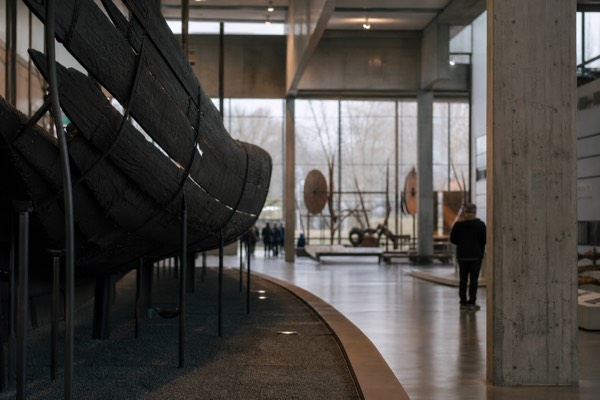
The permanent galleries hold their own with children if you steer toward the dramatic. The Bronze Age Sun Chariot, a small gilded horse pulling the sun on wheels, catches every eye, and the Viking hall with its weapons and runestones lands well with school-age kids raised on Norse stories. Adult admission is now 150 DKK, 135 online, since the museum moved from free to paid entry, but under-18s still go free and the building is fully indoor, which makes it a dependable wet-weather anchor. Opening days and the Children's Museum schedule are on natmus.dk. For a wider look at the city's history collections, see my history museums in Copenhagen guide.
Is Tivoli Gardens good for families?
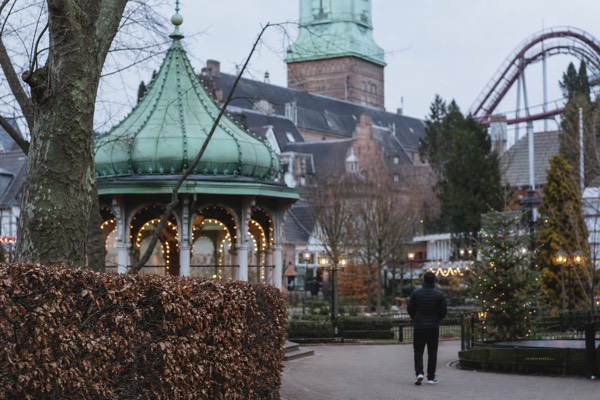
Tivoli is a reliable family day, though it is a pleasure garden rather than a museum, so treat it as the treat that balances a museum morning. Basic entry buys the gardens, the atmosphere and the shows, while rides are paid on top with a separate ride pass. It runs on seasons, not year-round, so check the calendar before you build a day around it.
I include Tivoli here because families ask about it in the same breath as the museums, and because it pairs so well with them. The garden dates to 1843, which makes it one of the oldest amusement parks in the world, and its charm is as much the lamplit paths, the pantomime theatre and the old wooden roller coaster as the newer white-knuckle rides. Small children are happy on the gentle rides and among the gardens alone; older kids will want the ride wristband.
Two honest notes shape a Tivoli plan. First, it opens in seasons, with the summer run in 2026 stretching from early April to late September, then separate Halloween and Christmas seasons, so it is not always open when you are in town. Second, the entry ticket and the rides are priced apart, and the standalone entry figure is best confirmed live rather than guessed, since the park bundles entry with ride passes in most of its own listings. Entry tickets start from around 28 US dollars on the resale listings, and you can hold a date by choosing to book Tivoli Gardens ahead. Confirm the season and prices at tivoli.dk.
Are there quirky museums kids love in Copenhagen?
Yes, and they make good hour-long fillers between the bigger days. Ripley's Believe It or Not on the town-hall square packs in oddities, optical tricks and record-breakers, sitting in a cluster with a fairy-tale house and a records museum. The Round Tower lets children spiral up a ramp instead of stairs, and the free David Collection quietly wins over even restless visitors.
Not every family stop needs to be a three-hour epic. Ripley's Believe It or Not, right on Radhuspladsen, is built for the short attention span: shrunken heads, illusions, a spinning tunnel and the kind of oddities that make kids drag their parents from case to case. Single admission runs from about 26 US dollars a person, and a four-way combo from around 45 covers Ripley's plus the neighbouring fairy-tale house, the records museum and a mirror maze, which turns a grey hour into a whole afternoon of the strange. If it suits your day, book Ripley's Believe It or Not ahead and check the latest prices.
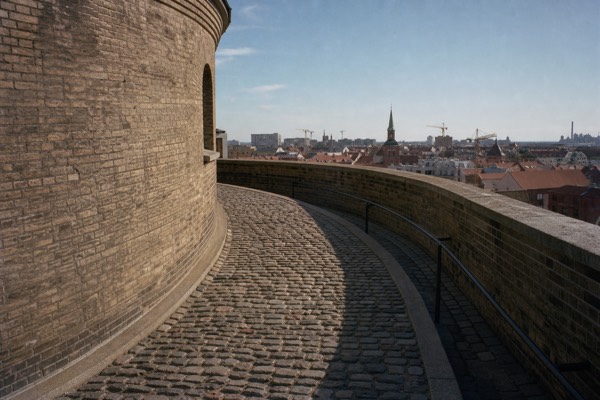
A short walk away, the Round Tower gives younger children something museums rarely do: a building they climb by spiralling up a wide cobbled ramp rather than trudging stairs, ending with a rooftop view over the old town. Entry is a modest 60 DKK with under-17s free, and tickets are sold only at the door, so there is nothing to reserve, just turn up. For a calmer contrast, the David Collection near the King's Garden holds one of the world's finest Islamic art collections and is free to enter all year, which makes it a low-stakes place to test whether a child is in the mood for a quieter gallery.
What is the best rainy-day versus sunny-day split for families?
Save the fully indoor venues for wet weather and the open-air ones for sun. The Experimentarium, the Blue Planet and the National Museum keep children happy for hours without a window mattering. The Open Air Museum at Lyngby, all historic farms and fields, and Tivoli's garden are the ones to keep for a dry day, since most of the fun is outside.
The single most useful family planning move in Copenhagen is matching the venue to the sky. Nothing sours a day faster than herding damp, bored children around an outdoor site in the rain, and nothing wastes good weather like burning a sunny afternoon under fluorescent light. The indoor trio carries any wet day comfortably, and my rainy day in Copenhagen guide chains them into a route that stays dry from door to door.
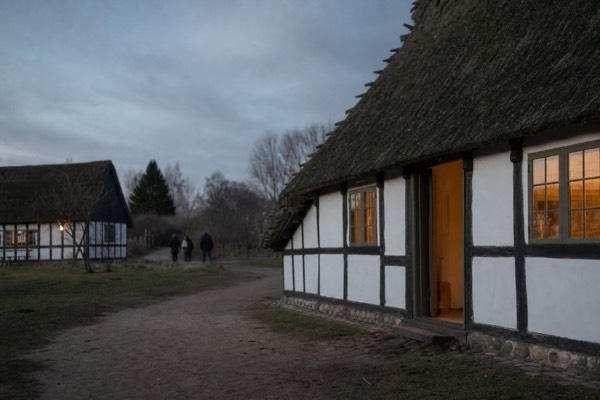
Keep two options in your back pocket for good weather. Frilandsmuseet, the Open Air Museum at Lyngby, is part of the National Museum and spreads dozens of historic farmhouses, mills and cottages across real fields about twenty-five minutes north by train, with room for children to roam among animals and old buildings. Admission runs about 145 DKK for adults with under-18s free, and it is genuinely best on a dry day since almost all of it is outdoors. Details are at natmus.dk/frilandsmuseet. Tivoli's garden earns the same weather rule.
How much do family museum tickets cost in 2026?
Less than most families fear, because under-18s enter free at nearly every major museum, so a family of four often pays for only two adults. The bigger costs are the two family-focused venues that charge for children, the Experimentarium and the Blue Planet, and the fact that the aquarium sits outside the Copenhagen Card.
The free-for-under-18s rule is the quiet hero of a Copenhagen family trip. It applies at the National Museum, Rosenborg, the Glyptotek, Christiansborg, Amalienborg, SMK and more, which means a couple with two teenagers pays the same as a couple alone at those doors. That single policy is why the classic museums stay affordable for families even after several of them moved from free to paid adult entry in recent years.
The exceptions are the two venues built specifically for kids, where children do pay a reduced rate: the Experimentarium at 143 DKK for two-to-elevens and the Blue Planet with its own child pricing. For a busy family sightseeing week the Copenhagen Card can still pay off, since one adult may bring up to two children under twelve free on public transport and the card covers most of the museums here, though children need their own low-cost card for entries and the Blue Planet stays off the list. My is the Copenhagen Card worth it guide runs the family numbers in full.
The child-card detail is the part families miss. A children's Copenhagen Card is far cheaper than an adult one, starting around 100 DKK for 24 hours, and it unlocks the same 80-plus attractions plus transport for each child who carries one. Infants under three ride free without a card at all. So for two parents and two school-age children planning several paid sights across a couple of days, a set of adult and child cards often lands well below the sum of separate gate tickets and train fares, with the aquarium the one line you still add on top.
| Venue | 2026 adult | Child | On Copenhagen Card? |
|---|---|---|---|
| Experimentarium | 230 DKK | 143 DKK (2-11), free under 2 | Yes |
| The Blue Planet | 219-229 DKK online | Reduced (3-11), free 0-2 | No |
| National Museum | 150 DKK | Free under 18 | Yes |
| Tivoli Gardens (entry) | From ~28 USD | Reduced; rides extra | Yes (entry) |
| Frilandsmuseet | ~145 DKK | Free under 18 | Yes |
Which venue suits which age?
Match the museum to the child. Toddlers and pre-schoolers do best at the Blue Planet, where the draw is simply watching animals move. School-age kids get the most from the Experimentarium's build-and-test floors and the National Museum's Viking and Children's wings. Teenagers often surprise you at the aquarium's shark tank and Tivoli's bigger rides.
Age is the variable that decides a good family day more than price or weather. The very young want motion and colour without instruction, which is why the aquarium and the gentler corners of Tivoli win with them, while a hands-on science floor can overwhelm a three-year-old who cannot yet work the exhibits. Around five, that flips, and the Experimentarium becomes the highlight of the week.
School-age children, roughly six to twelve, are the sweet spot for almost everything on this list, and this is the age I plan the fullest days for. They can lose an afternoon building at the Experimentarium, act out history at the Children's Museum, then stand transfixed at a shark tank an hour later. Teenagers need a slightly different pitch, less play and more spectacle, so lean on the Ocean tank, Tivoli's coasters and the drama of the Viking hall. The grid below is the rough map I use.
| Venue | Best age | Indoor or outdoor | Time to allow |
|---|---|---|---|
| The Blue Planet | 2-10 | Indoor | 2-3 hours |
| Experimentarium | 5-13 | Indoor | 3-4 hours |
| National Museum | 6-13 | Indoor | 2-3 hours |
| Frilandsmuseet | 4-12 | Outdoor | 2-3 hours |
| Tivoli Gardens | All ages | Outdoor | Half to full day |
How do you plan a museum day kids will actually enjoy?
Do the hands-on venue first while energy is high, feed everyone before noon, and keep each day to one big indoor museum plus a garden or a treat. Book the busy venues ahead, pack a change of clothes for the water exhibits, and let under-18s free entry stretch the budget across more days rather than more museums in one.
The rhythm matters as much as the venue. Children spend their patience early, so I front-load the day with the most demanding, most rewarding stop, usually the Experimentarium or the aquarium, and I never try to stack two big indoor museums back to back. One serious venue in the morning and something lighter after lunch, a garden, a canal boat or Tivoli, keeps the mood up and the meltdowns down.
A few habits save families real grief. Eat before the noon rush, because every museum café fills at the same moment. Bring a spare layer, since the Experimentarium's water zones and the aquarium's damp corners find every sleeve. Reserve timed slots on weekends and school holidays so you are not queuing with tired kids. And lean on that under-18s free rule to spread your budget over three unhurried days rather than one exhausting marathon. If wet weather closes in, my rainy day guide and the broader Copenhagen in 3 days itinerary both slot these family venues into a full plan.
One last planning grid worth pinning to the fridge is which family venues open when, since the Monday closures that catch so many art-museum visitors mostly spare the family favourites. The two big kids' venues and the National Museum keep Monday hours, which makes a wet or awkward Monday an easy family day rather than a wasted one.
| Venue | Monday | Typical hours |
|---|---|---|
| Experimentarium | Open | Daily 9:30-17 |
| The Blue Planet | Open | Mon to 21, Tue-Sun to 17 |
| National Museum of Denmark | Open Apr-Oct | Daily 10-17 |
| Frilandsmuseet | Seasonal, check ahead | Daytime, dry season |
| Tivoli Gardens | Open in season | Seasonal, late evenings |