Parkmuseerne: The Museum Cluster Around the King's Garden
A local guide to Parkmuseerne, Copenhagen's cluster of six museums around the parks: the members, the 345 DKK combined ticket, a walking route, prices and opening days for 2026.
 By Anders Nielsen, Copenhagen Museums Specialist & Cultural Guide
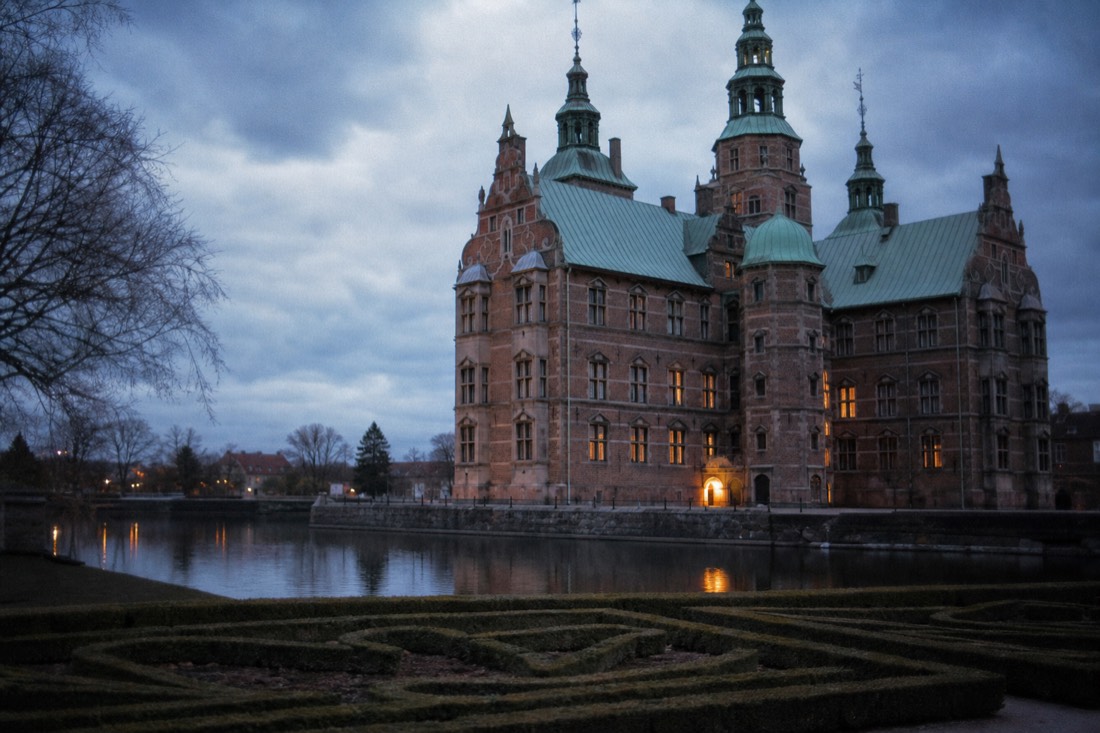
On a clear morning I like to start at the King's Garden, coffee in hand, before any museum opens. Rosenborg's copper spires sit above the hedges, gardeners are raking the gravel paths, and within a fifteen-minute walk of that bench stand six museums that could each fill an afternoon. This green ribbon on the north side of the old city, the King's Garden running into the Botanical Garden and the park at Ostre Anlaeg, is the most museum-dense square kilometre in Copenhagen. The Danes gave the collaboration a plain, exact name: Parkmuseerne, the Park Museums.
I send a lot of visitors here because it solves a real problem. You want art, history and a bit of green between rooms, without crossing the city or riding transport all day. The Park Museums cluster gives you exactly that, and there is even a shared ticket that ties them together. This guide lays out who belongs to the group, what the combined ticket really costs in 2026, how it stacks up against a Copenhagen Card, and a walking route that links the six without doubling back.
What is the Parkmuseerne and which museums belong to it?
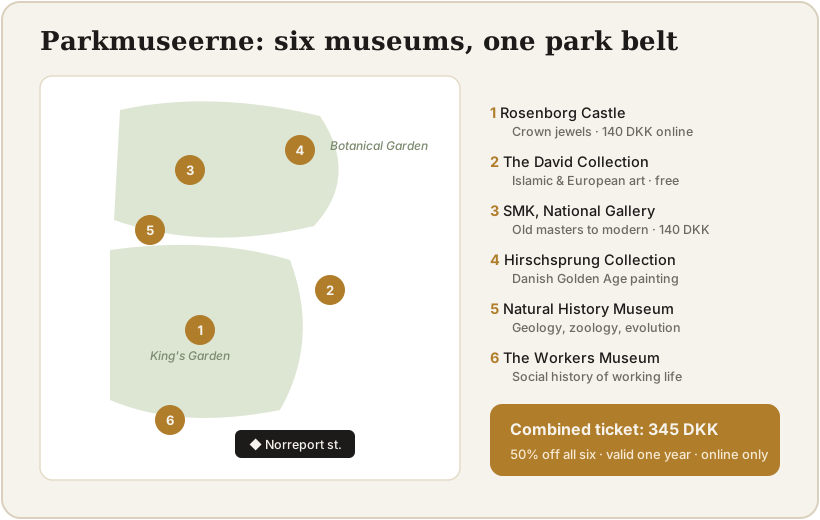
Parkmuseerne, the Park Museums, is a collaboration of six museums grouped around the green parks in central Copenhagen: the Workers Museum, the David Collection, the Hirschsprung Collection, Rosenborg Castle, SMK the National Gallery, and the Natural History Museum of Denmark. All six sit within a short walk of one another near the King's Garden and Norreport station.
The name is literal. These six museums ring the belt of old rampart parks on the north edge of the historic centre, so a day among them comes with lawns and tree-lined paths between the galleries. Rosenborg sits inside the King's Garden itself. SMK, the Hirschsprung and the Natural History Museum gather around the Botanical Garden and Ostre Anlaeg just north of it. The David Collection is a townhouse on Kronprinsessegade at the garden's edge, and the Workers Museum is a short walk south toward Norreport.
The mix is deliberately broad: royal treasure, Danish Golden Age painting, world-class Islamic art, the national gallery, working-class social history and natural history, all in one district. I have set out the six below with what each holds and where it sits. You can confirm the current membership and any changes on the official Parkmuseerne site.
| Museum | What it holds | 2026 adult | In the park district |
|---|---|---|---|
| Rosenborg Castle | Crown jewels, 1600s royal rooms | 150 / 140 online | King's Garden (Kongens Have) |
| SMK, National Gallery | Old masters to modern art | 140 DKK | By the Botanical Garden |
| The David Collection | Islamic and European art, free | Free | Kronprinsessegade, garden edge |
| The Hirschsprung Collection | Danish Golden Age painting | See official site | Ostre Anlaeg park |
| The Workers Museum | Everyday working life since the 1800s | 135 DKK | Romersgade, near Norreport |
| Natural History Museum of Denmark | Geology, zoology, evolution | See official site | Botanical Garden |
How do you reach the park museums?
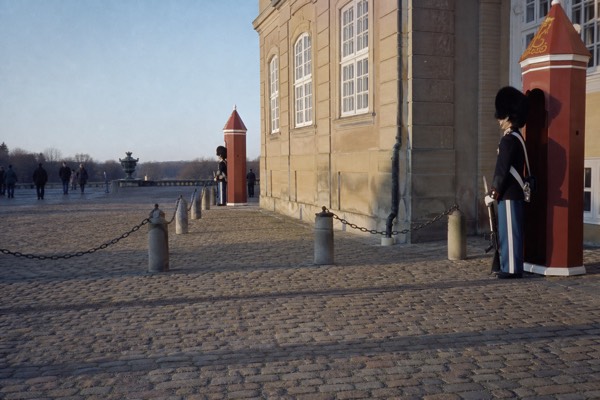
The whole cluster sits within a 10 to 15 minute walk of Norreport, the city's busiest station, served by the Metro, S-trains and regional lines. From there the King's Garden, Rosenborg and the Botanical Garden are a short stroll north. There is no need for transport between the six museums; the parks themselves are the route.
Norreport is the gateway, and it makes the district almost absurdly easy to reach. Nearly every line in the city passes through it, the Metro, the S-trains and the regional trains, so wherever you are staying you can usually get there without changing. Step out of Norreport and you are already on the edge of the museum belt: the Workers Museum is a couple of minutes away, and the King's Garden with Rosenborg is just to the north.
Osterport station, one stop further, is the better arrival point if you want to start at SMK or the Natural History Museum, since it sits close to the Ostre Anlaeg park where those two cluster. Either way, once you are in the district you walk. The distances between the six museums are measured in minutes across green space, not in bus rides, which is the whole appeal of doing them together.
If you are coming on a Copenhagen Card, the transport to reach Norreport or Osterport is already covered, including the ride in from the airport. The Parkmuseerne combined ticket, by contrast, includes no transport at all, so you either walk from wherever you are or pay a separate fare to reach the parks. For most visitors staying in the centre that is a non-issue, since the district is walkable from much of the old town anyway. Cyclists have it easiest of all: the parks are threaded with bike paths, and a rented bike turns the whole loop into a short figure of eight. However you arrive, plan to travel on foot once you are here.
Is there a combined Parkmuseerne ticket, and is it worth it?
Yes. The Parkmuseerne combined ticket covers one visit to each of the six park museums at a 50 percent discount for 345 DKK, and it stays valid for a full year from your first visit. It is sold online only, through the official Parkmuseerne site. For anyone planning to see four or more of the six, it is the cheaper route by a clear margin.
This is the detail worth getting right, because outdated pages online get it wrong. The current combined ticket is a single ticket for all six museums, one visit each, at half the normal total price, and it costs 345 DKK for an adult. Better still, it does not expire at the end of your trip: it runs for one year from the date you first use it, so you can spread the six museums across separate visits or even a return trip. You buy it online in advance on the official Parkmuseerne site; it is not sold at the door.
Whether it beats paying at each desk depends on how many you will actually see. Do two, and single tickets are fine. Do four, five or all six, and the 345 DKK ticket wins, since the six at full price come to roughly double that. One honest wrinkle: the David Collection is free to everyone anyway, so the ticket's real value sits across the five paid members. If you already hold a Copenhagen Card, several of these are covered by that instead, which is the comparison to make next.
Which park museum should you prioritise if time is short?
If you only have time for one, make it Rosenborg Castle. It is the highlight of the district and one of the best museums in the city, a compact 1600s royal castle in the King's Garden whose basement treasury holds the Danish crown jewels and coronation regalia. Adult entry is 150 DKK, under-18s free, and it runs on timed-entry tickets, so booking ahead is smart.
Rosenborg is the one I would never skip here. Christian IV built it as a summer retreat, and it stayed a royal home before becoming the treasure store it is now. The rooms climb from panelled halls to the long hall with the coronation thrones, and then you descend to the treasury, where the crown, the regalia and cases of royal curiosities sit behind glass. It is dense rather than sprawling, which means an unhurried ninety minutes does it justice.
Because it uses timed entry and draws crowds on summer weekends, this is the park museum most worth reserving in advance. It is also on the Copenhagen Card, so card holders walk in free, while everyone else can book a slot online. For the full ranking of how Rosenborg compares with the city's other headline museums, see the best museums in Copenhagen guide.
Book Rosenborg Castle ahead to lock in a time and check availability for your date.
How does the Parkmuseerne ticket compare with the Copenhagen Card?
The two suit different trips. The Parkmuseerne ticket is cheaper at 345 DKK and focused, covering exactly the six park museums with a year to use them, but no transport. The Copenhagen Card costs more, 859 DKK for 48 hours, yet bundles 80-plus attractions across the whole city plus unlimited public transport. Choose the park ticket for a focused district run, the card for a packed multi-area trip.
Think of it as narrow versus wide. If your museum plans really are these six, or four or five of them, the combined ticket is the clear-cut better value and it will not rush you, since the year-long validity means you are not racing a clock. It covers no transport, but the whole district is walkable, so that barely matters here.
The Copenhagen Card earns its higher price the moment your trip spreads out: the National Museum on Slotsholmen, the Glyptotek behind Tivoli, a train out to Louisiana or Kronborg, and the transport to reach them all. Several of the park museums, Rosenborg and SMK among them, are on the card too, so a card can double as your park-district pass on a busy day. I break the card down properly in the is the Copenhagen Card worth it guide. Current card prices are on the official Copenhagen Card site.
| Feature | Parkmuseerne ticket | Copenhagen Card (48h) |
|---|---|---|
| Museums covered | The six park museums, one visit each | 80-plus attractions citywide |
| Basis | 50% off the six, valid one year | Free entry for the card period |
| Adult price | 345 DKK | 859 DKK |
| Public transport | Not included | Unlimited, zones 1-99 |
| Best for | A focused park-district run | A packed multi-area trip |
| How to buy | Online only, parkmuseerne.dk | Online, copenhagencard.com |
What are the free and quieter park museums worth catching?
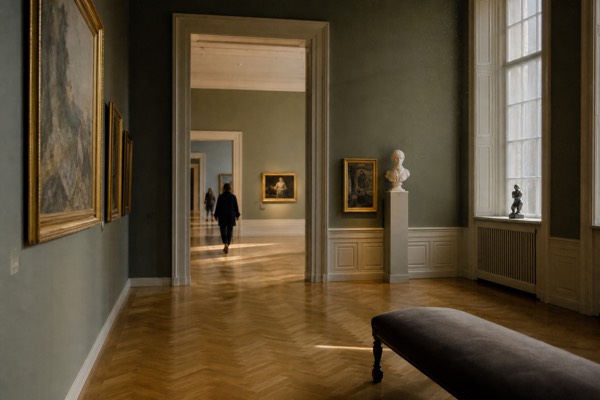
The David Collection is the standout free stop, a townhouse holding one of the world's finest Islamic art collections, open at no charge year-round. The Hirschsprung Collection is a small, calm room of Danish Golden Age painting, and the Workers Museum brings the district's social history to life. None hard-sell you, and the David Collection in particular is a free hour most visitors miss.
For all the pull of the crown jewels, some of the district's best hours cost little or nothing. The David Collection is free every day of the year and rarely crowded, a genuine world-class collection of Islamic art hidden inside an ordinary-looking townhouse on Kronprinsessegade. I send people here when the bigger museums are heaving; it is a calm, free counterweight. Check its opening days on the official David Collection site.
The Hirschsprung Collection, tucked in the Ostre Anlaeg park next to SMK, is a jewel-box of 19th-century Danish painting, the Skagen painters and the Golden Age, and it is small enough to see properly in under an hour. The Workers Museum on Romersgade fills in everyone the palaces leave out, with a preserved family flat and a period coffee shop. For more on what stays genuinely free across the city, the free museums in Copenhagen guide has the honest 2026 picture, since several old free claims no longer hold.
What else is worth seeing near the park museums?
Just beyond the park cluster sit three of the city's biggest museums. The National Museum of Denmark and Christiansborg Palace are a short walk or ride south on Slotsholmen, and the Ny Carlsberg Glyptotek is behind Tivoli. Any of them pairs naturally with a park-district day, and all three are on the Copenhagen Card, so a card can carry you from the park museums straight into the centre.
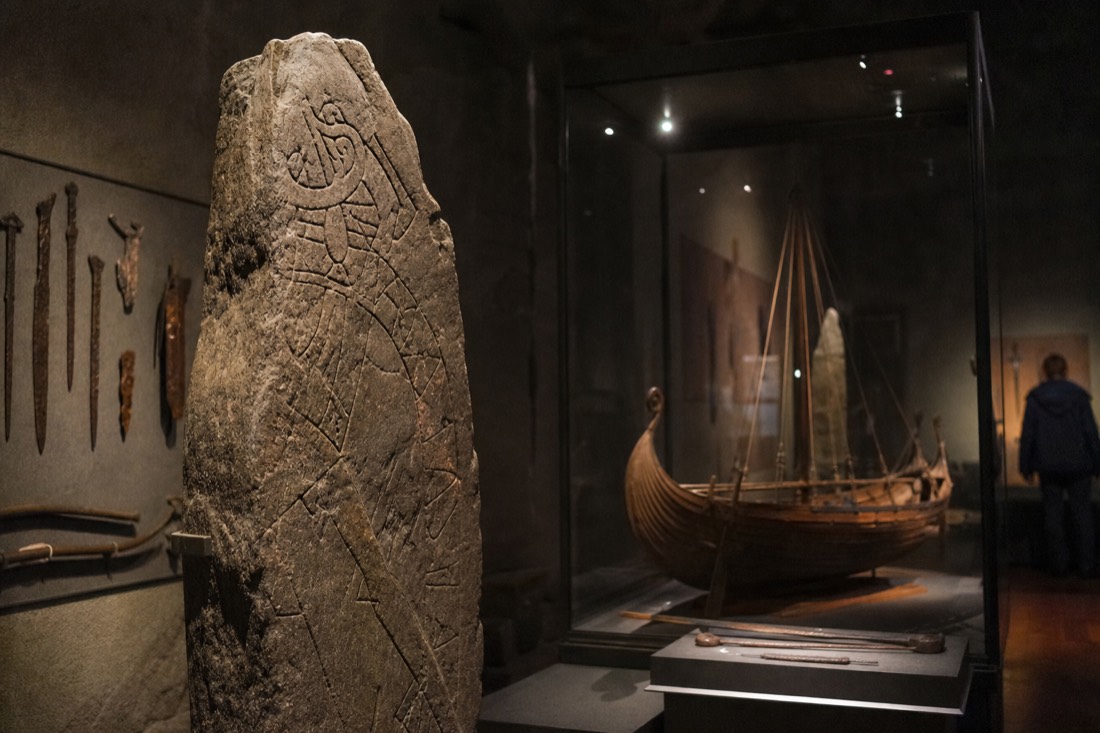
The Park Museums are dense, but they are not the whole story, and it would be a shame to leave the neighbourhood without knowing what sits just past it. Walk or ride ten minutes south and you reach the National Museum, the country's flagship history collection, with its famous Viking hall and the Bronze Age Sun Chariot. It is the obvious companion to a park-district morning, especially for history-minded visitors.
Book the National Museum of Denmark ahead on a busy day and check availability for your slot.
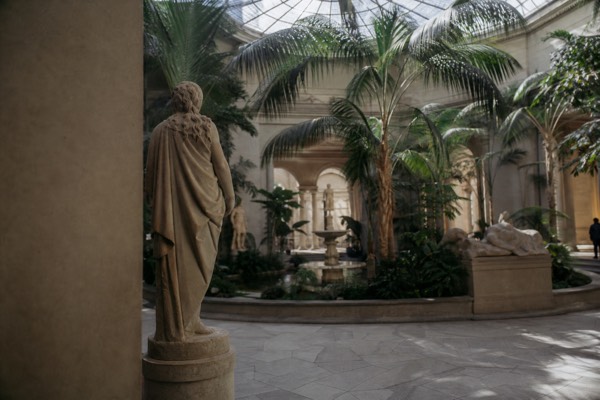
Close by, the Ny Carlsberg Glyptotek gathers ancient sculpture and French painting around a palm-filled winter garden behind Tivoli, one of the loveliest interiors in the city and a fine rainy-afternoon swap if the park lawns are grey. Christiansborg, on Slotsholmen, adds the medieval ruins and the Royal Reception Rooms. Both, like the National Museum, ride the same Copenhagen Card, so you can chain a park-district day into the centre without buying separate tickets. The wider art picture, including how the Glyptotek compares with SMK, sits in the art museums in Copenhagen guide.
How do you walk the Parkmuseerne in a day?
Start at Rosenborg when it opens, cross the King's Garden to the free David Collection, then head up to SMK and the neighbouring Hirschsprung around the Botanical Garden. Finish with the Natural History Museum and, if you have energy, the Workers Museum near Norreport. The whole loop is walkable in a day, with park benches for the gaps.
The district almost plans itself once you know the geography. Rosenborg opens earliest and sits at the south end of the King's Garden, so begin there while the treasury is quiet. A five-minute walk east brings you to the David Collection on Kronprinsessegade, free and quick, a good palate-cleanser between the castle and the galleries. From there it is a short stroll north to SMK and, right beside it in the Ostre Anlaeg park, the Hirschsprung.
By early afternoon you can take in the Natural History Museum by the Botanical Garden, then loop back down toward Norreport for the Workers Museum if you are still fresh. Realistically most people do four of the six well rather than all six in a rush, and the year-long combined ticket means you never have to force it. Here is a timing shape that works, adjusted to taste.
| Order | Museum | Suggested time |
|---|---|---|
| 1 | Rosenborg Castle and treasury | 1:15 |
| 2 | The David Collection (free) | 0:45 |
| 3 | SMK, National Gallery | 1:30 |
| 4 | The Hirschsprung Collection | 0:45 |
| 5 | Natural History Museum | 1:00 |
| 6 | The Workers Museum | 1:00 |
When are the park museums open, and which close on Mondays?
Monday is the weak spot here, as it is across the city. SMK closes Mondays, and the two smaller art collections generally do too. Rosenborg and the Workers Museum stay open in season, and the free David Collection keeps its own hours. Check each museum's site before a Monday visit, and lean on Rosenborg and the Workers Museum if that is your only free day.
If your park-district day lands on a Monday, plan around the art closures. SMK shuts on Mondays, and Danish art collections like the Hirschsprung typically follow the same pattern, so a Monday is better spent on Rosenborg, the Workers Museum and the outdoor gardens than on the painting galleries. Rosenborg keeps long hours through its spring-to-autumn season, and the Workers Museum opens daily with a late Thursday.
Opening times otherwise run to the usual Copenhagen shape, roughly 10:00 to 17:00 or 18:00, with SMK late to 20:00 on Wednesdays. I have listed the essentials below and flagged where you should confirm on the museum's own site, since a couple of these publish their 2026 hours only on their own pages. For anything time-sensitive, the official SMK site and each museum's page carry the current schedule.
| Museum | Open Monday? | Typical hours |
|---|---|---|
| Rosenborg | Yes in season | 10:00-17:00 (summer 09:00-17:00) |
| SMK | No | Tue-Sun 10:00-18:00, Wed to 20:00 |
| The David Collection | Check official site | Free entry |
| The Workers Museum | Yes | 10:00-17:00, Thu to 20:00 |
| The Hirschsprung Collection | Check official site | See official site |
| Natural History Museum | Check official site | See official site |
The reason I keep bringing people here is simple. Few cities let you walk from a crown-jewel treasury to a free Islamic-art collection to a national gallery in the time it takes to cross a couple of parks. Buy the combined ticket if you mean to see most of the six, save your energy for four done well rather than six done fast, and let the gardens between them do what no gallery can.