Copenhagen Card vs City Pass: Which One Do You Actually Need?
Copenhagen Card vs City Pass in 2026: one covers attractions plus transport, the other transport only. Which pass you need, and why not both.
 By Anders Nielsen, Copenhagen Museums Specialist & Cultural Guide
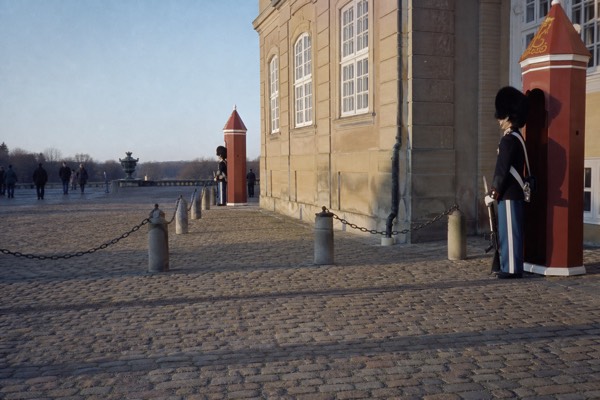
The mix-up happens at least once a week in my inbox. Someone has bought a pass for their trip, arrives, and cannot work out why the barrier at the palace will not accept it. Nine times out of ten they bought the City Pass thinking it was the sightseeing card, or the sightseeing card thinking it was just a travel ticket. The two products share a city and almost nothing else, and the difference between them is worth a few hundred kroner and a fair bit of confusion.
I want to clear this up in plain terms, with the real 2026 figures where they exist. One of these passes gets you into museums and moves you around the city. The other only moves you around the city. Which you need comes down to a single question about your trip, and by the end of this guide you will know which answer is yours, and why buying both is almost always a waste.
What is the difference between the Copenhagen Card and the City Pass?
The Copenhagen Card bundles free entry to more than 80 attractions with unlimited public transport across the region. The Copenhagen City Pass is transport only: unlimited buses, metro, S-trains and harbour buses within your chosen zones, and nothing at the museum door. One is a sightseeing product, the other is a travel ticket, and they are sold by different people.
Think of them as answers to two different questions. The Copenhagen Card answers "how do I see a lot of attractions cheaply," folding entries and transport into one price. The City Pass answers "how do I ride everything without buying single tickets," and stops there. The card is sold by the tourism operator behind the official sightseeing pass; the City Pass is a public-transport product sold through the regional transit system.
That is why the barrier confusion happens. Both cards flash the same green at a metro gate, because both are valid transport. Only the Copenhagen Card also opens the museum turnstile. If you turn up at Rosenborg or the National Museum with a City Pass, you will still need to buy entry, because that pass was never meant to cover it. Get this one distinction straight and the rest of the decision is easy.

What is the Copenhagen City Pass and what does it cover?
The Copenhagen City Pass is an unlimited public-transport ticket for a set number of hours across your chosen zones, sold through the regional transit system. It covers buses, the metro, S-trains, regional trains and harbour buses inside those zones, including the airport, but it does not include entry to any museum, castle or attraction.
The City Pass comes in zone tiers and time lengths. A smaller zone version covers the central city and its immediate ring, which suits a visitor who is staying centrally and only riding a few stops. A larger version stretches across the whole Capital Region, zones 1 to 99, and that is the one you would want if you plan to ride out to the coast or the airport. Both are pure travel passes with no attraction value attached.
Where it earns its keep is transport-heavy trips with few paid sights. If you are in town for meetings, visiting friends across the suburbs, or the sort of traveller who fills days with free walks, harbour swims and neighbourhood cafés rather than ticketed attractions, a City Pass lets you ride freely without fumbling for single fares. Because it is a transit product, prices and current zone options are set by the transport authority rather than a tourism company, so check the live fare on VisitCopenhagen before you buy, and match the zone tier to how far you actually intend to roam.
The City Pass also comes in several durations, from a day up to several days, so you can size it to the length of your stay rather than a fixed block. There is a third option worth knowing about too: the pay-as-you-go tap card that the transport system uses, which charges each ride from a topped-up balance. For a traveller who rides only now and then, that tap card can beat any pass, City Pass included, because you pay only for the journeys you actually take. The choice among these three transport products is separate from the museum question, which is where the Copenhagen Card comes back in.
What does the Copenhagen Card include that the City Pass does not?
Everything at the museum door. The Copenhagen Card adds free entry to more than 80 attractions on top of the same regional transport the City Pass gives you. That includes the National Museum, Rosenborg, Christiansborg, the Glyptotek, SMK, Louisiana up the coast and the two great castle day trips, none of which a City Pass touches.
The attraction list is the entire reason the card costs more. For a museum-led trip it is also the reason it is usually the better buy, because a couple of castle tickets a day already outweigh the price gap between the two passes. The card carries the National Museum's Viking hall, Rosenborg's crown jewels, Christiansborg's reception rooms and the Renaissance grandeur of Frederiksborg and Kronborg, all on one tap.
The day trips are where the difference turns lopsided. The card covers both the regional train up the coast and the entry at the other end, so a run out to Louisiana at Humlebaek, Frederiksborg at Hillerod or Kronborg at Helsingor rides and enters on one card. A City Pass, even the full-zone version, would carry you to those towns but leave you paying 145 to 150 DKK at each museum door. On a single coastal day the card can save more than its whole daily cost, which is why day-trippers almost always want the card rather than a transport-only pass.
The National Museum is the clearest example of what the gap buys you. A City Pass gets you to its front door and no further; the Copenhagen Card walks you in. If it is on your list, book National Museum of Denmark ahead and check availability so you can see the standalone price you would otherwise pay on top of a transport-only pass. The card also matches the City Pass on the transport itself, so you never lose travel coverage by choosing it.
How do the two passes compare feature by feature?
On transport the two are near identical: both cover buses, metro, S-trains and harbour buses, and both reach the airport in their full-zone versions. On attractions they are opposites, the card including 80-plus and the City Pass none. The card costs more because of that entry value, from 589 DKK for 24 hours upward.
The table below sets them side by side on the things that matter. The clean split is the whole story: identical travel, opposite attraction coverage. Below it are the real 2026 Copenhagen Card prices, so you can weigh the card's premium against the museum entries it saves you. City Pass fares sit with the transport authority and change by zone tier, so I have left exact figures to their live page rather than print a number that may shift.
Both passes share one small bonus that first-timers miss: the yellow harbour buses count as ordinary public transport on either. That means a boat ride down the harbour past the Opera House and the Little Mermaid, the kind of thing tourists pay a premium for on a dedicated canal cruise, is simply a free leg of your day on a City Pass or a Copenhagen Card. It is not a reason to pick one over the other, since both cover it, but it is a nice illustration that the transport half of these passes stretches further than the metro map suggests.
| Feature | Copenhagen Card | Copenhagen City Pass |
|---|---|---|
| Museum and attraction entry | 80+ included free | None |
| Buses, metro, S-trains | Included | Included |
| Harbour buses | Included | Included |
| Airport metro (M2) | Included | Included in full-zone version |
| Regional trains up the coast | Included (zones 1 to 99) | Only in full-zone version |
| Sold by | Official sightseeing operator | Regional transit system |
| Best for | Attraction-led trips | Transport-only trips |
| Copenhagen Card duration | Adult price (DKK) | Approx. EUR / USD |
|---|---|---|
| 24 hours | 589 | 79 / 92 |
| 48 hours | 859 | 115 / 134 |
| 72 hours | 1,039 | 139 / 162 |
| 96 hours | 1,219 | 164 / 190 |
| 120 hours | 1,419 | 190 / 222 |

Does the City Pass get you into any museums?
No. The City Pass is a transport ticket and covers no attraction entry at all, not the palaces, not the art museums, not Tivoli. If a page or a reseller implies otherwise, it is confusing it with the Copenhagen Card. For museum entry you need either the Copenhagen Card or a ticket bought at each attraction.
This is the point people get wrong most often, so it is worth saying flatly. There is no partial discount, no reduced entry, no "one free museum" clause tucked into the City Pass. It moves you around the region and that is its entire job. The value it offers a museum-goer is only in getting you to the door for less than single fares.
If you want the palaces and the art but travel light on transport, the honest answer is usually a Copenhagen Card rather than a City Pass plus separate tickets. Christiansborg is the sharpest illustration, because its full palace ticket alone is 225 DKK at the door, a large slice of a 24-hour card. Its reception rooms, medieval ruins and tower all sit under one roof on Slotsholmen, and the card covers the lot.
Stack a second sight on top and the case hardens fast. Add Rosenborg or the National Museum to that same Christiansborg day, both around 150 DKK, and you have spent close to 375 DKK in entries before a single train fare, well past the 24-hour card price. A City Pass would have covered none of it. This is the pattern that catches out anyone who bought the cheaper-looking transport pass expecting it to open museum doors, then paid full price at every one.
Do you need both the Card and a City Pass?
No, and buying both wastes money. The Copenhagen Card already includes the same unlimited regional transport as a full-zone City Pass, so a card holder never needs a separate travel ticket. Buy one or the other based on whether you are paying to enter attractions, not both.
I see the double purchase more than I would like, usually because someone bought a City Pass early for airport transfers, then added a Copenhagen Card later without realising the card covers the airport metro too. The card is a full zone 1 to 99 travel pass in its own right. Land, tap in with the card, and ride the M2 into town at no extra cost.
So the two passes are alternatives, not a pair. The only edge case is timing: if your sightseeing days are a tight block in the middle of a longer stay, you might run a Copenhagen Card for those days and rely on cheap single fares or walking on the quiet days either side, rather than stretching a card across dead time. For most short breaks, one card covering your busy days does everything. The guide to whether the Copenhagen Card is worth it works through that timing in detail, and Rosenborg is the sort of timed-entry sight that rewards planning your card window around it.
Which pass should you buy for your trip?
Buy the Copenhagen Card if you plan to enter two or more paid attractions a day; the entry savings quickly cover its premium over a transport-only pass. Buy the City Pass if your days are mostly free sights, walking and cafés with occasional rides, and you just want to skip buying single fares. Buy neither if you are staying central and walking everywhere.
Run your own trip through one filter: count the ticketed attractions you genuinely intend to visit. Two or more paid sights on most days points firmly at the Copenhagen Card, because those entries are where the money is. A trip built around free museums, harbour walks and neighbourhood wandering points at the City Pass, or at no pass at all if you rarely board anything.
Here is the split made concrete. A couple spending two days on the palaces, the National Museum and a coastal castle will clear several hundred kroner in entries alone, so a Copenhagen Card that folds those in with the transport is the obvious call. A solo traveller staying centrally who plans one museum, a lot of walking and the odd bus is the opposite case: a City Pass or even single fares beats the card, since there are barely any entries for it to cover. Same city, same two passes, and the right answer flips entirely on how many doors you walk through.
| Your trip style | Best pass |
|---|---|
| Museum and palace marathon, several sights a day | Copenhagen Card |
| One or two attractions total, lots of walking | Single tickets, maybe a City Pass |
| Suburbs, meetings or friends, few attractions | City Pass |
| Central stay, on foot, minimal transport | Neither pass |
Free options tilt the decision for budget travellers. The David Collection is free year-round, under-18s enter almost everywhere free, and three museums now offer a free last Wednesday of the month, all covered in the free museums in Copenhagen guide. If a lot of your itinerary is free, a City Pass or single fares can beat a Copenhagen Card outright, and there is no shame in the cheaper answer.

How do you buy and activate each pass?
Both are largely digital now. The Copenhagen Card is bought online and used through the official app, activating on first use and running continuously for its full hours. The City Pass is bought through the transit system's app or ticket machines and starts when you choose. Neither needs collecting from a desk, so buy shortly before you travel.
The activation rule is the same for both and catches people out. The clock starts when the pass first goes live and runs by real hours, not calendar days. A 48-hour pass activated at 2pm Monday expires at 2pm Wednesday, so begin it on the morning of a full sightseeing day rather than an arrival evening when you will barely move. Front-loading your dearest attractions into that window is how you extract the value.
For the Copenhagen Card, buy on the official Copenhagen Card site and load it into the app before you fly, so a patchy airport connection is never the thing standing between you and the metro home. For the City Pass, the transit app or a station machine handles it in a minute. If you are still weighing the whole choice, the short version of my verdict sits in the blog post on the difference between the Copenhagen Card and the City Pass, and the deeper cost work is in the is the Copenhagen Card worth it guide.
One last practical point on timing, since it decides which pass wins as much as the price does. Because both start on first use and run by real hours, an unactivated card sitting in your app costs you nothing until you tap it, so there is no penalty in buying a day or two early to have it ready. The mistake is the reverse: activating on arrival at the airport for a single metro ride, then watching the clock burn through your first evening while you are only checking into a hotel. Whichever pass you choose, hold it dormant until the morning your real sightseeing begins, and it will stretch across the days that actually matter. If most of your itinerary turns out to be free anyway, the free museums in Copenhagen guide shows how little you may need either pass.

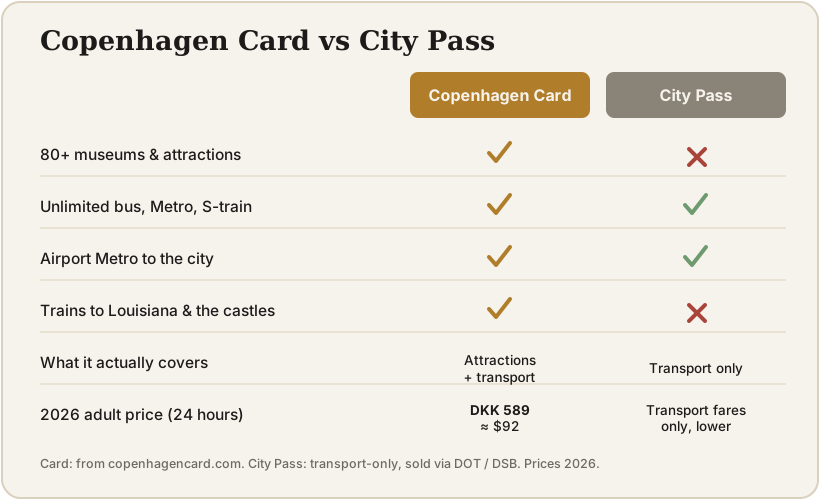

Strip away the branding and it comes down to a sentence. If you are paying to walk into museums, the Copenhagen Card is built for you and usually saves money once you total the entries. If you only need to move around town, the City Pass does that for less, and there is rarely a good reason to hold both. Decide on that one question and you will not be the person stuck at the palace barrier wondering why the light stayed red.