What Is the Most Famous Museum in Copenhagen?
The National Museum, Louisiana, the Glyptotek or Tivoli? An honest ranking of Copenhagen's most famous museums and what each is actually known for.
 By Anders Nielsen, Copenhagen Museums Specialist & Cultural Guide

Ask ten Copenhageners which museum is the famous one and you will not get a clean answer. A history buff says the National Museum without pausing. An art traveller names Louisiana or the Glyptotek. A first-time tourist points at Tivoli, then gets corrected that it is a funfair, not a museum. The honest reply is that "most famous" depends on who is asking, so let me sort it properly.
What is the most famous museum in Copenhagen?
There is no official ranking, but the National Museum of Denmark is the country's largest and most significant, and the one most people mean by the famous Copenhagen museum. For art fame abroad, Louisiana and the Glyptotek lead. Tivoli is more famous than any of them, though it is a pleasure garden, not a museum.
Fame splits along two lines. There is national importance, which the National Museum owns outright, and there is international art reputation, where Louisiana out at Humlebaek carries the loudest name. Then there is raw recognition, where Tivoli beats everything but sits in its own category. I will take each in turn, so you can match the label to what you actually want to see.
Why is the National Museum of Denmark the most famous?
It is Denmark's largest cultural-history museum and the single best place to understand the country. The 3,000-year-old Sun Chariot, a world-class Viking hall, bog finds and ethnographic collections all sit under one roof near the harbour. It carries the weight of a national institution, which is why "the famous Copenhagen museum" usually means this one.
The National Museum earns its status the way national museums do, by holding the objects a country defines itself through. The Sun Chariot, a small gilded bronze horse pulling the sun on wheels, is the piece you will have seen on postcards without knowing where it lived. The Viking galleries are the real draw for most foreign visitors, dense with weapons, silver hoards and rune stones rather than the horned-helmet cliché.
Fame, in a museum's case, is really about which objects a place gets to keep, and this one keeps the objects that define Denmark. That is a different kind of renown from a single famous painting. You do not come for one masterpiece on a wall; you come for the accumulated weight of a nation's things, which is exactly why it tops the list when locals are pressed for a straight answer.
One thing to flag: entry is no longer free. Adults pay 150 DKK, or 135 DKK online, with under-18s free, and the ticket stays valid for a year. You can check current hours and holiday closures on the official National Museum site, and background on the Sun Chariot itself sits on its Wikipedia page. If you want the fuller argument, my verdict on whether it is worth visiting goes deeper.

Which Copenhagen art museums are famous worldwide?
Louisiana Museum of Modern Art and the Ny Carlsberg Glyptotek are the two with real international fame. Louisiana, on the coast at Humlebaek, is one of Europe's best-known modern-art museums for its setting above the sea. The Glyptotek, behind Tivoli, is famous for antiquities and French sculpture under a palm-filled winter garden.
Among art travellers, Louisiana is often the first Danish museum named, and not for a single painting. Its fame rests on the whole experience: low glass galleries running into a sculpture park that slopes to the Oresund, with Calder and Giacometti outdoors and a café over the water. It is a day trip rather than a city stop, and it rewards the effort. The official Louisiana site lists current shows.
The Glyptotek's fame is older and quieter. The brewer Carl Jacobsen built it to share his collection, and it holds Egyptian, Greek and Roman sculpture alongside a strong run of French painting and Rodin bronzes. The winter garden at its heart is one of the most photographed interiors in the city. Between the two, Louisiana wins on modern reputation, the Glyptotek on classical depth.
Both names travel well beyond Denmark. Curators and art students abroad know Louisiana for how it shows work in daylight and landscape, and the Glyptotek for the quality of its antiquities and its French holdings. Neither trades on a single blockbuster canvas, which is part of why their fame has stayed durable rather than faddish. If you only have room for one and you are staying central, the Glyptotek wins on convenience alone.
Isn't Tivoli the most famous of all?
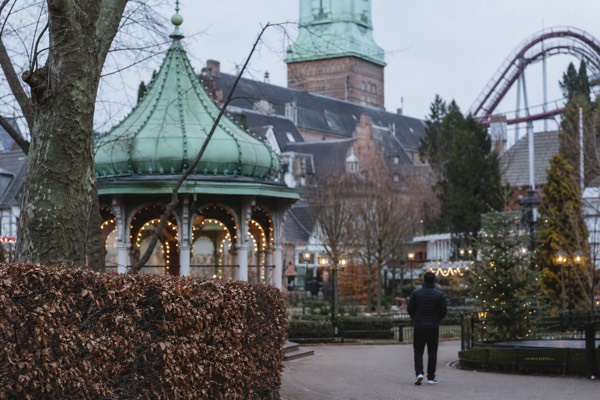
By pure recognition, yes. Tivoli Gardens is Copenhagen's most famous attraction and one of the oldest amusement parks in the world, opened in 1843. It carries a 4.5 rating from more than 8,900 traveller reviews. But it is a pleasure garden with rides, concerts and gardens, not a museum, so it sits outside this question.
Tivoli's fame is genuine and global. It reportedly helped inspire Walt Disney, it defines the skyline by the main station, and for many visitors it is the single thing they most want to see in the city. If the real question behind "most famous museum" is "most famous place," Tivoli is the honest answer, and it is worth an evening for the lights alone.
The distinction still matters if you came for collections. Tivoli will not show you Vikings or old masters. It gives you atmosphere, seasonal decoration and rides, with entry covering the gardens and rides charged on top. Treat it as the icon it is, not as a museum, and slot it around the actual collections rather than in place of them.
For the record, plenty of visitors do treat Tivoli as the headline of their whole trip, and there is nothing wrong with that. It simply answers a slightly different question than this one. If what you typed was really "the most famous thing to see in Copenhagen," Tivoli is your answer. If it was "the most famous collection," look back up the page to the National Museum.
Which royal palace-museum is the most famous?
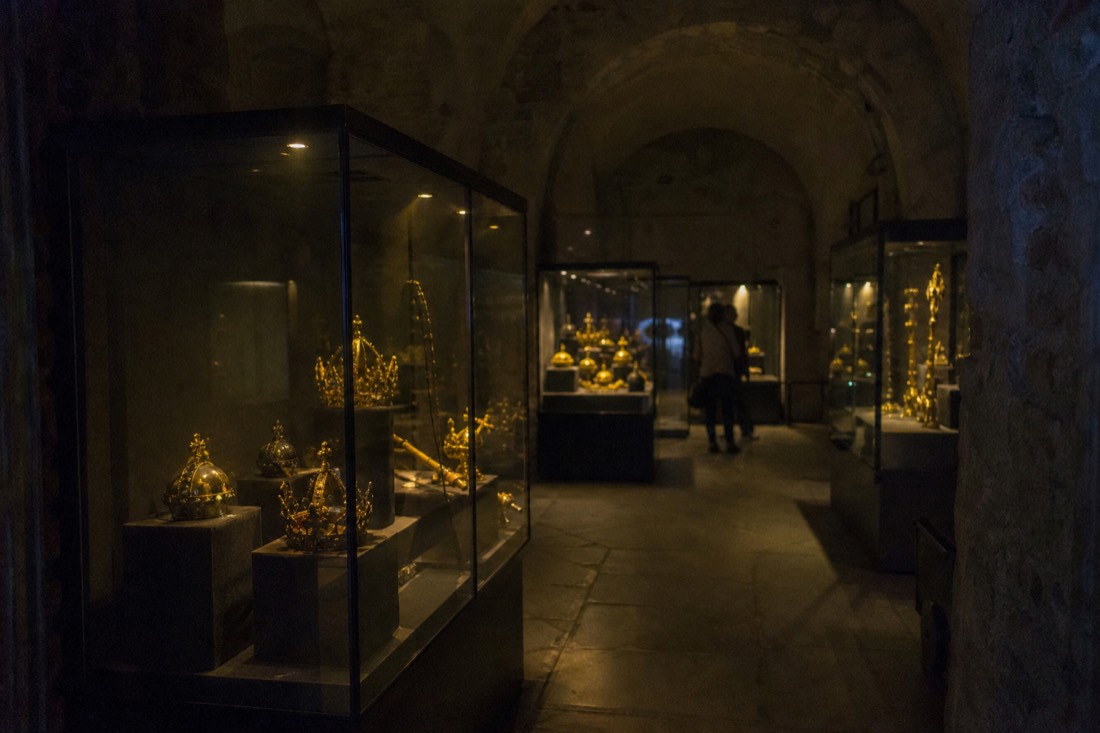
Rosenborg Castle is the best known, thanks to the Danish crown jewels and coronation regalia in its treasury. Christiansborg, the seat of parliament with its royal reception rooms and medieval ruins, runs a close second, and Amalienborg draws crowds for the noon changing of the guard. All three are compact, central and easy to reach.
Copenhagen's royal sites blur the line between palace and museum, and they are famous for different things. Rosenborg is the jewel-box, a 17th-century summer castle in the King's Garden whose basement treasury holds the crown and the regalia. It is small, dense and unhurried, and it consistently rates around 4.6 from visitors. For many people it is the most memorable single hour in the city.
Christiansborg spreads wider, with reception rooms still used by the monarchy, the ruins of earlier castles beneath, and a tower you can ride up for free. Amalienborg, the royal family's actual winter home, pulls its crowd at midday for the guard change on the octagonal square. None of the three matches the National Museum for scale, but each is famous in its own right, and together they make the royal thread easy to follow.
Worth knowing before you pick one: these are working royal sites, not frozen exhibits. Christiansborg still hosts state functions, so rooms occasionally close for events, and Amalienborg's guard change draws its biggest crowd on the days the monarch is in residence. Rosenborg is the most consistently open of the three and the quickest to see, which is why it usually wins the vote for most famous royal stop.
Here is how the fame shakes out, by category.
| Museum or site | Famous for | Best for |
|---|---|---|
| National Museum of Denmark | The Sun Chariot, Vikings, national scope | Understanding Denmark |
| Louisiana (Humlebaek) | Modern art by the sea, sculpture park | An art day trip |
| Ny Carlsberg Glyptotek | Antiquities, French sculpture, winter garden | Classical art in the centre |
| Rosenborg Castle | The crown jewels and regalia | Royal history, fast |
| Tivoli Gardens | 1843 pleasure garden, global icon | An evening, not a collection |
So which should you visit first?
If you want the one that best earns the "famous Copenhagen museum" title, start at the National Museum, then add the Glyptotek for art and Rosenborg for the royal story. All three sit in the centre within easy reach of each other. Save Louisiana for a dedicated day trip, and Tivoli for an evening.
For a first visit with limited time, the central trio of the National Museum, the Glyptotek and Rosenborg gives you Denmark's history, its classical art and its royal treasure inside a walkable core. Book the National Museum of Denmark ahead and check availability to skip the desk on a busy day.
Louisiana and Tivoli are famous for good reason, but they ask more of your schedule, so plan them as their own outings. For the full shortlist and how to string them together, see my best museums in Copenhagen guide. Fame is a starting point, not a verdict, and the right first museum is the one that matches what you came to see.