What Are Some Hidden-Gem Museums in Copenhagen?
Quiet alternatives to the big names: the Glyptotek winter garden, Cisternerne underground, Copenhagen Contemporary's warehouse art, the free David Collection and more.
 By Anders Nielsen, Copenhagen Museums Specialist & Cultural Guide
Most first-time visitors do the same short list: the little mermaid, Nyhavn, maybe the National Museum, and out. The city's quieter museums never make that list, which is exactly what keeps them quiet. Some of them are among the best hours you can spend in Copenhagen, precisely because you can hear yourself think in the rooms. A dripping underground reservoir under a park, a townhouse of Islamic art you can walk into for free, a welding hall the size of a football pitch filled with light. Here are the ones worth breaking from the postcard route for.
What are some hidden-gem museums in Copenhagen?
A strong spread hides in plain sight: the Ny Carlsberg Glyptotek's winter garden, Copenhagen Contemporary's warehouse art, Cisternerne's underground installations, the Medical Museion, the free David Collection, Thorvaldsens Museum, the humour museum STORM and the Workers Museum. All sit near the main sights, yet most tourists walk straight past them.
"Hidden gem" covers a few different things here, so I will be clear about which is which. Some are paid museums you can book ahead, some are official ticket-at-the-door places, and one is genuinely free. Below I group them by what they offer, the loveliest interior, the strangest experience, the free option, and the local favourites, so you can pick by mood. For the fuller ranked rundown, the best museums in Copenhagen guide sets these beside the headline names.
Which hidden gem has the loveliest interior?
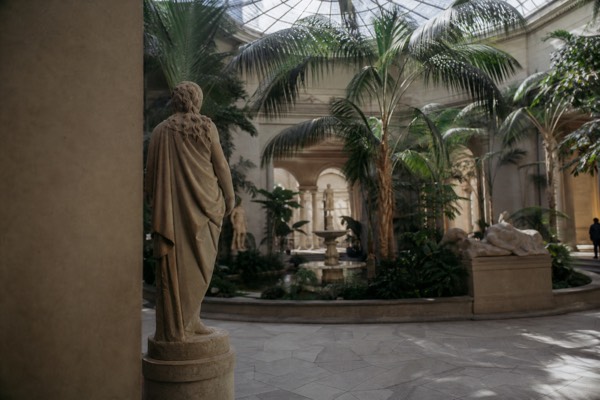
The Ny Carlsberg Glyptotek, without much competition. Behind Tivoli, it wraps ancient Egyptian, Greek and Roman sculpture and a fine run of French and Danish painting around a domed winter garden of palms and a fountain. It is one of the most beautiful rooms in the city, and far calmer than the big-name galleries a few streets away.
The Glyptotek was the brewer Carl Jacobsen's private collection, and it still feels personal rather than institutional. You move from Roman portrait busts to Rodin bronzes to a wall of Degas and Gauguin, and at the centre sits the winter garden, a glass-domed courtyard where locals read on benches among the palms. Plenty of people come just for that room and the café beside it.
One honest note for 2026: the antique Greek and Roman rooms are being rearranged until 1 October, so a few galleries may be closed when you visit. The rest of the museum carries on as normal. Times and any closures are on the official Glyptotek site. To reserve a slot rather than queue, book the Ny Carlsberg Glyptotek ahead and check availability for your date.
For a second striking interior nearby, Thorvaldsens Museum, built in the 1840s for a single sculptor, has coloured walls and mosaic floors unlike anywhere else, though be aware its permanent painting collection is currently limited to a small basement selection. It is an official ticket-at-the-door museum, so there is nothing to book in advance.
What is the strangest museum in Copenhagen?
Two compete for the title. Cisternerne is an art space inside a former underground water reservoir beneath Sondermarken park, dripping and cathedral-dark, holding one big immersive installation a year. Medical Museion, on Bredgade, shows anatomical specimens and an 18th-century operating theatre. Neither is for the squeamish, and both are unforgettable.
Cisternerne is the more theatrical of the two. You descend under the park into a vast cistern where the ceilings still weep water and your footsteps echo, and a single artist takes over the space each year with light, sound or sculpture built for the dark. It is best in the warmer months, closed on Mondays, and unlike anything else on this list. Details and the current show are on the official Cisternerne site.
Medical Museion is quieter and more clinical, in the best and worst senses. The University of Copenhagen's medical collection fills a former surgical academy with old instruments, preserved specimens and a preserved operating theatre where students once watched surgery from steep benches. It is small, specialist and genuinely unsettling in places, and you can plan a visit through the Medical Museion site. Both are ticket-at-the-door museums rather than book-ahead attractions.
Is there a free hidden gem?
Yes: the David Collection. A quiet townhouse near the King's Garden, it holds one of the finest Islamic art collections in the world, along with European decorative arts and Danish Early Modern pieces, and it is free to enter year-round. It is rarely crowded, and it is the one genuinely free major museum in the city in 2026.
The David Collection is the answer to a lot of budget questions, because it costs nothing and it is superb. Room after room of Islamic metalwork, ceramics, textiles and manuscripts, arranged with real care, sit in a converted merchant's house you could walk past without noticing. There is no buy button and no queue, just a cloakroom and a staircase. You can plan around the opening hours on the official David Collection site.
Worth knowing alongside it: from July 2026, a small group of city museums, Thorvaldsens, Nikolaj Kunsthal and the Copenhagen Museum, are free for everyone on the last Wednesday of each month, replacing the old every-Wednesday deal. Time a visit right and a couple of the paid gems above cost nothing too. For the full picture on what is free and what quietly went paid this year, see the free museums in Copenhagen guide.
Where do locals go that tourists miss?
Three places, mostly. The Workers Museum tells the story of ordinary Danish life in an original 1879 assembly hall. STORM, out in Frederiksberg, is Denmark's museum of humour and satire. And Copenhagen Contemporary fills a former welding hall on Refshaleoen with walk-into installation and light art. Each is close to a bigger sight, yet stays refreshingly uncrowded.
The Workers Museum, Arbejdermuseet, is the human counterpoint to all the palaces. Set in a preserved labour hall with a period coffee shop and a reconstructed family apartment, it shows how working Copenhageners actually lived across the last century and a half, and it is an easy, affordable stop near the botanical garden. STORM, built around the cartoonist Robert Storm Petersen, is smaller and stranger, Denmark's home for comedy and caricature, and a good pairing with a Frederiksberg park walk. Both are ticket-at-the-door museums.
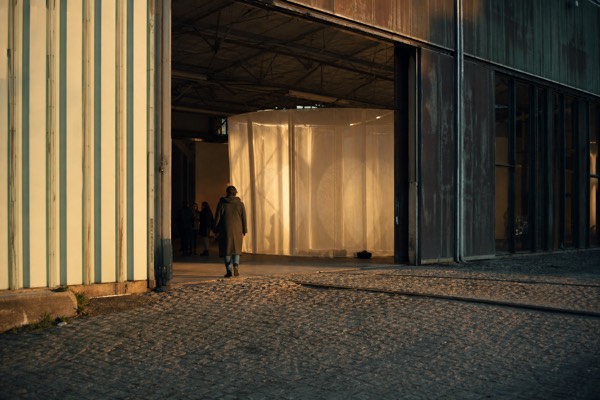
Copenhagen Contemporary is the one I would push hardest for anyone who liked Louisiana's scale. It took over a huge industrial hall out on Refshaleoen and shows the kind of room-sized installation and light work that ordinary galleries cannot hold, then sends you next door to the street-food stalls at Reffen. It is a book-ahead attraction, and a genuine break from the old-master circuit.
How do you fit a hidden gem into a museum day?
Pair one with a headline sight nearby rather than making a special trip. The Glyptotek slots in behind Tivoli, the David Collection sits by Rosenborg and the King's Garden, and Cisternerne pairs with a Frederiksberg park afternoon. One famous museum plus one quiet gem is the formula that makes a day feel local rather than checklist.
The trick is geography. Most of these gems sit within a short walk of something you were going to see anyway, so you rarely have to choose between them. Do Rosenborg and the crown jewels, then cross to the David Collection for free. See Tivoli, then step behind it into the Glyptotek's winter garden. Take the harbour out to Refshaleoen for street food and add Copenhagen Contemporary while you are there. Here is a quick reference for planning.
| Museum | Area | Why it is a gem | Ticket |
|---|---|---|---|
| Ny Carlsberg Glyptotek | Behind Tivoli | Antiquities under a palm winter garden | Paid, book ahead |
| Copenhagen Contemporary | Refshaleoen | Warehouse-scale installation art | Paid, book ahead |
| Cisternerne | Frederiksberg | Art in a dripping underground reservoir | Paid at the museum |
| Medical Museion | Bredgade | Anatomy and an old operating theatre | Paid at the museum |
| The David Collection | Kronprinsessegade | World-class Islamic art | Free |
| The Workers Museum | Romersgade | Everyday Danish life since the 1800s | Paid at the museum |
For where these fit among the city's art collections specifically, the art museums in Copenhagen guide lines them up next to the National Gallery and Louisiana. A day built around one big name and one hidden gem tends to be the one people remember longest.